Travel to Orkneys 2/2
By Ferry to Newcastle and Through Scotland
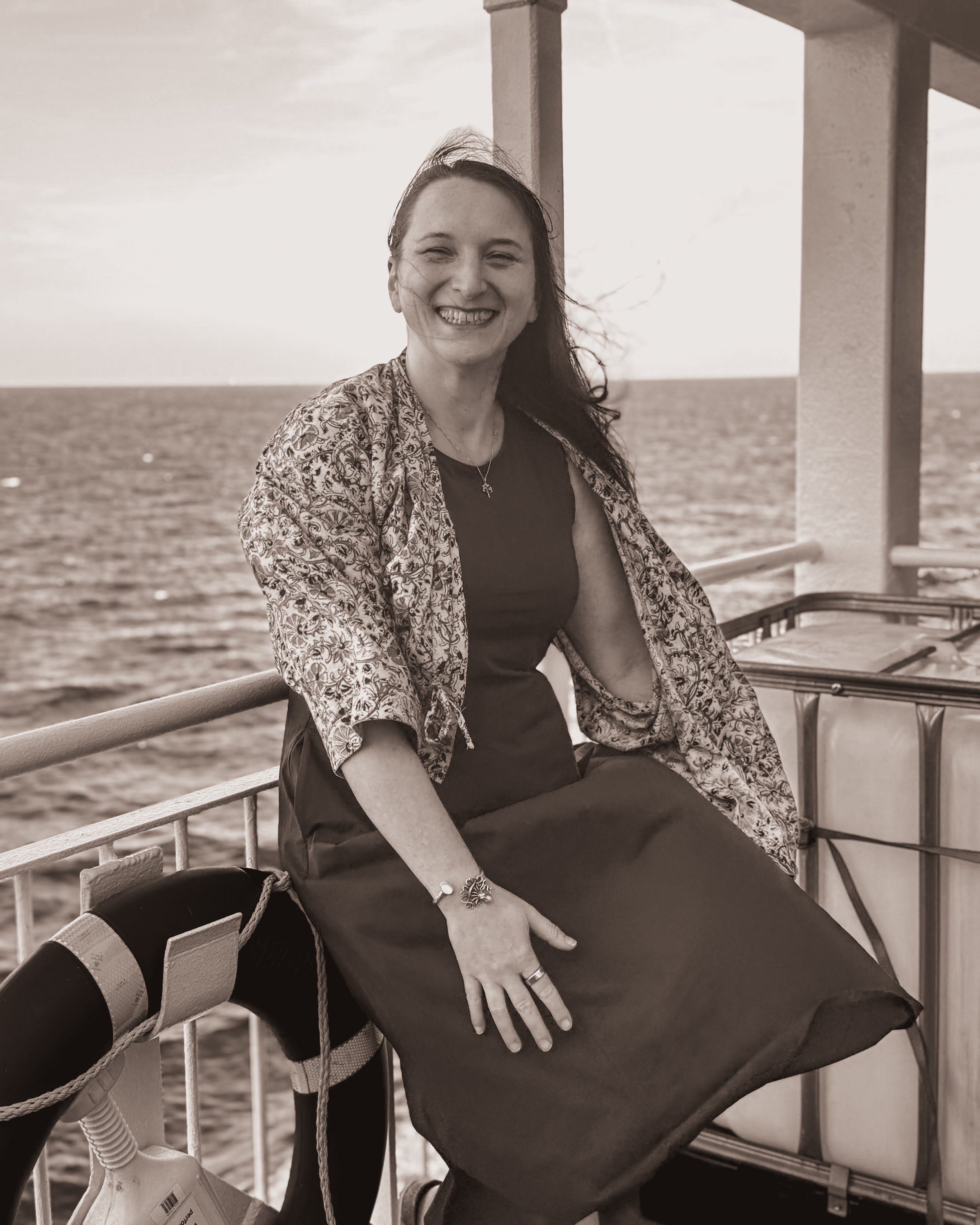
We found the Newcastle ferry without any trouble, and in the afternoon we cast off from the European mainland and headed for Britain. The ferry was smaller than the Silja and Viking Line boats, but cute, and the restaurant was quite decent too. Arriving in Newcastle, we had to learn to drive on the left. Antti had never driven on the left before, so I generously let him handle it right from the start, so the nerves would pass quickly :) After a bit of initial stress, things started going pretty well. The only real stress was roundabouts, where turning left feels completely wrong at first. But you get used to everything. In the end, the person who nearly drove into someone's side was me, so apparently a bit of extra practice was needed here too.
We headed fairly briskly for Pitlochry, on the outskirts of which we spent the night at a charming inn right on the riverbank. Next to the inn, the river had a set of rapids, where the junior whitewater kayaking European Championships were underway. We watched them while enjoying a good meal at the restaurant, and with dessert we peeked out the window at the solar eclipse, which, unsurprisingly, was mostly hidden behind clouds. I have to say, though, that the trip's first toffee pudding was a delicious experience and one to remember.
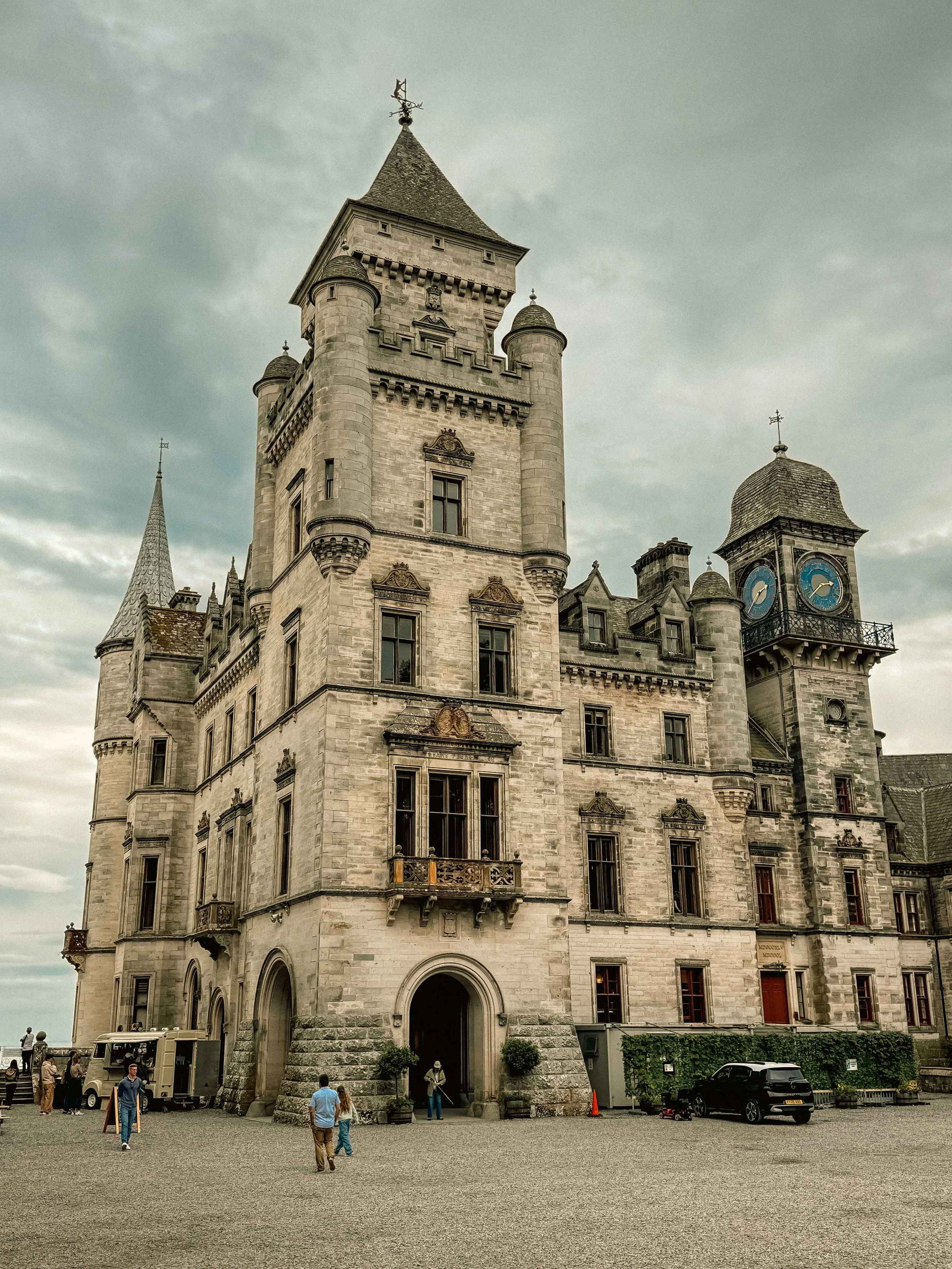
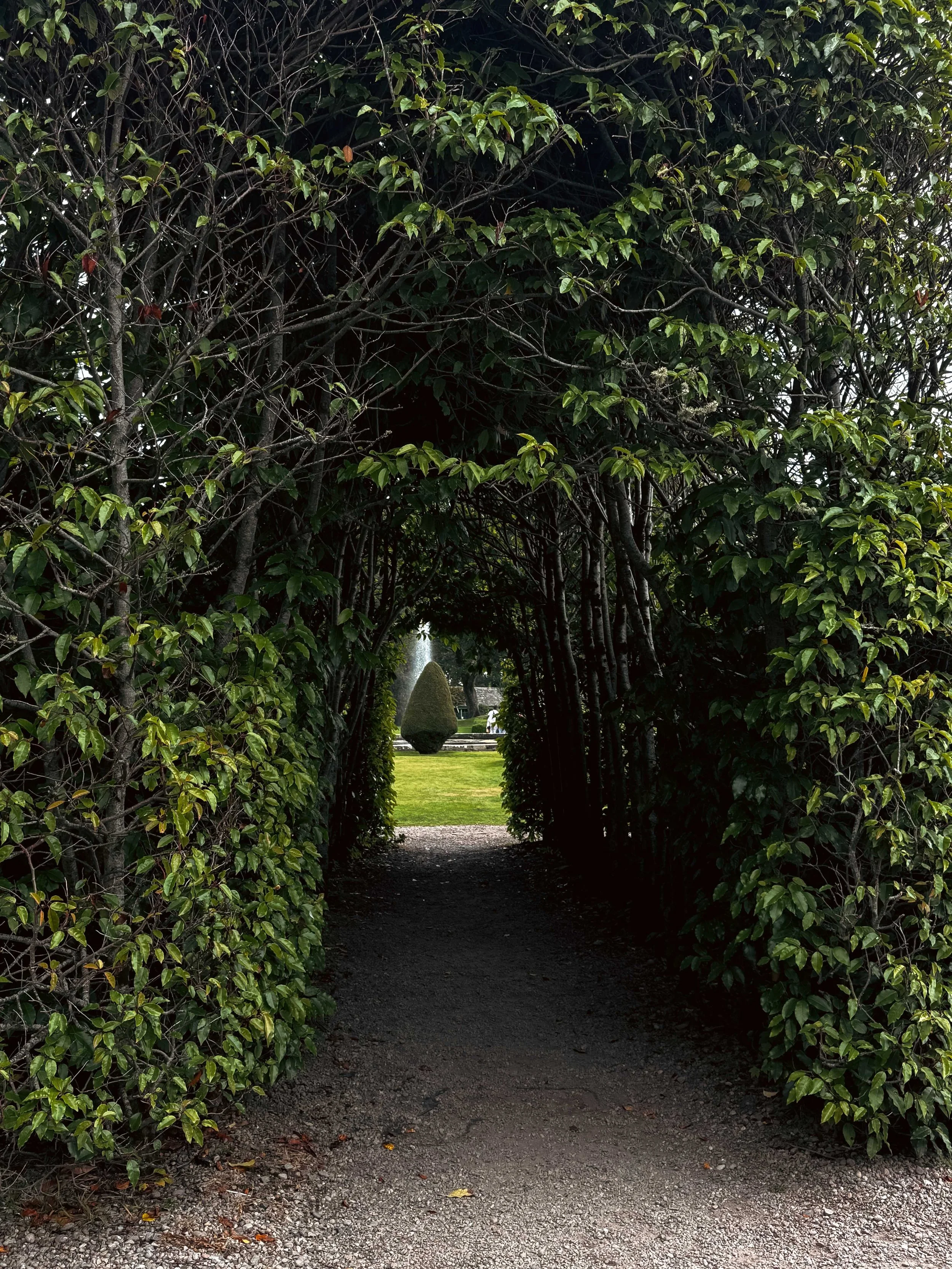
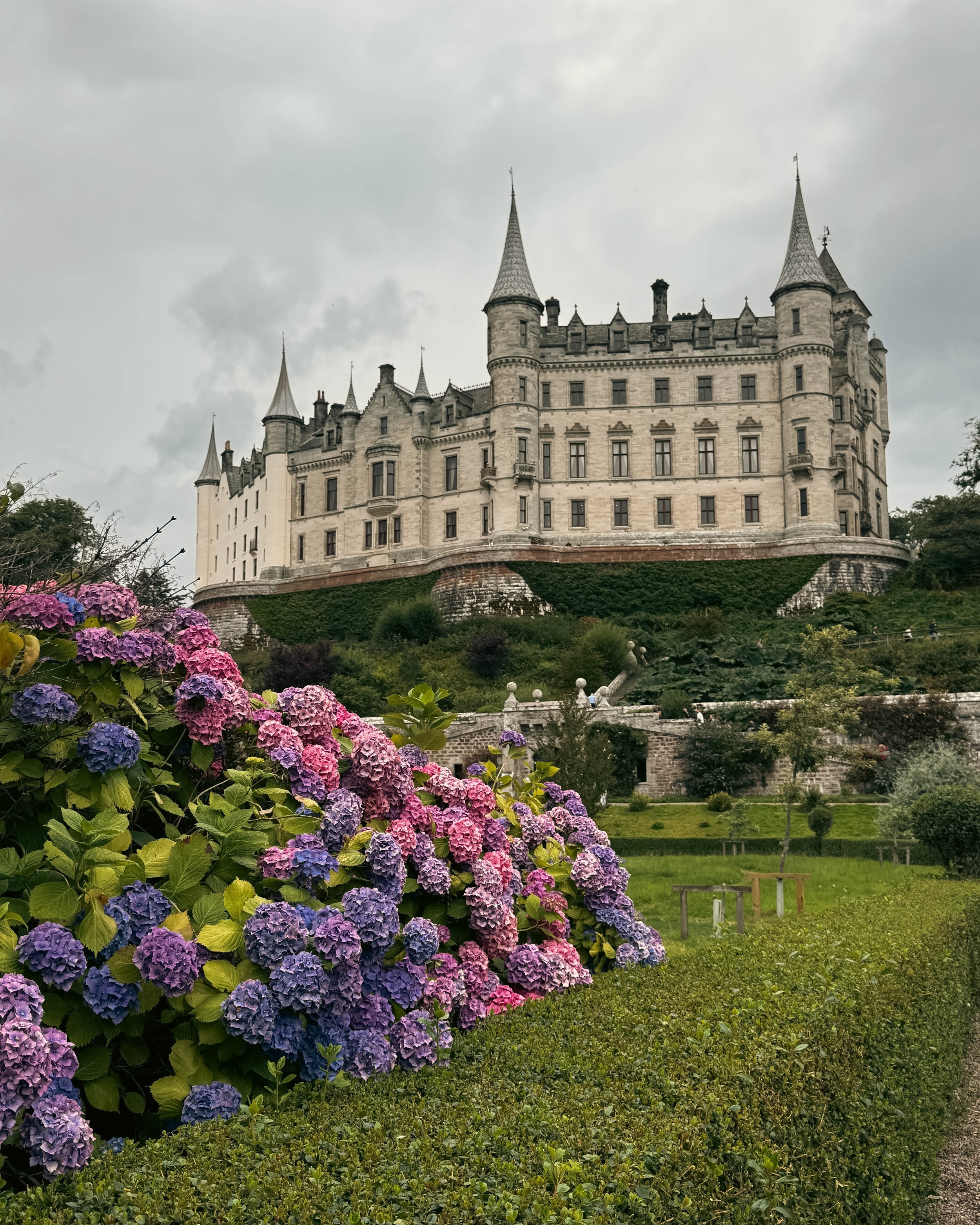
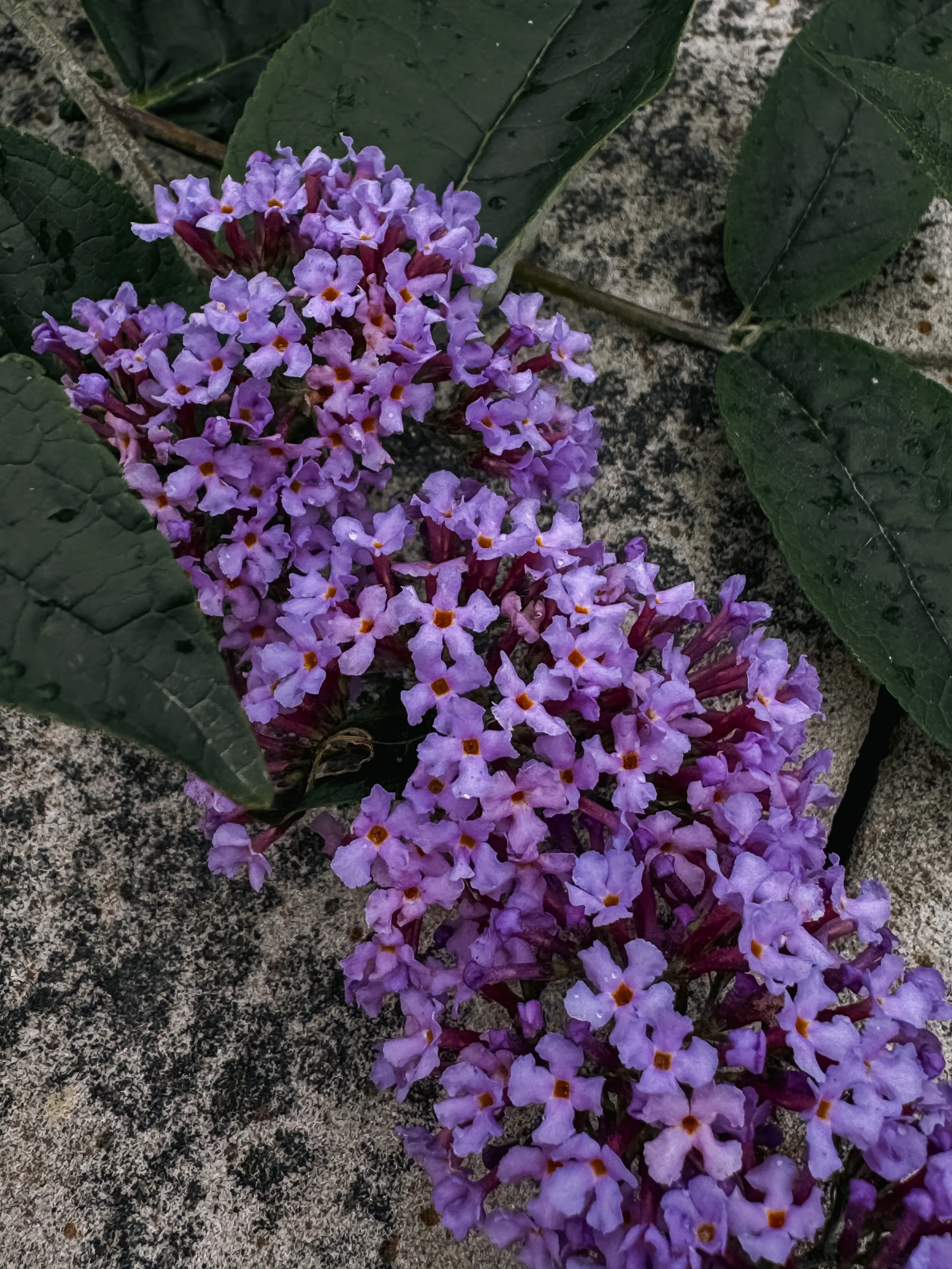
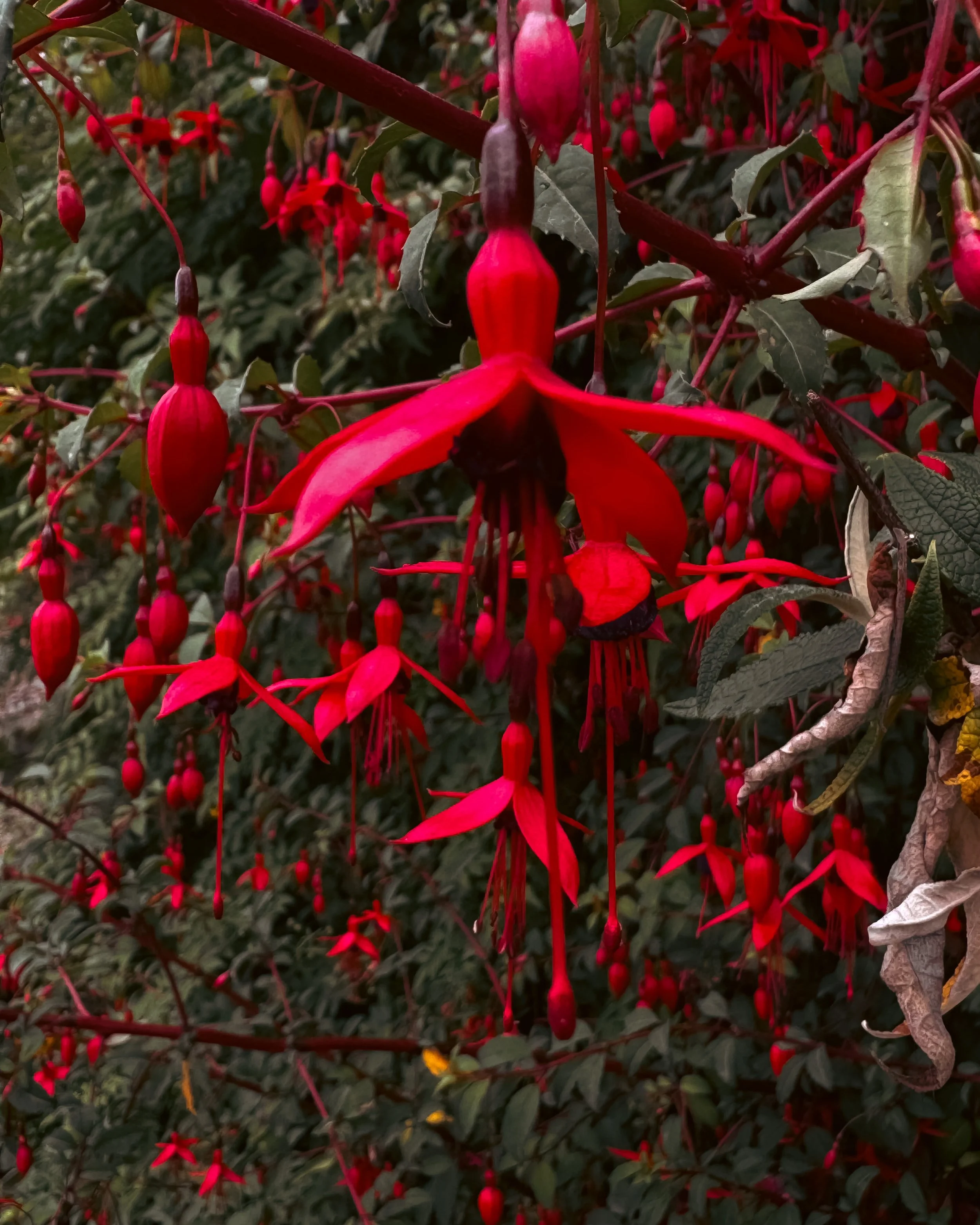
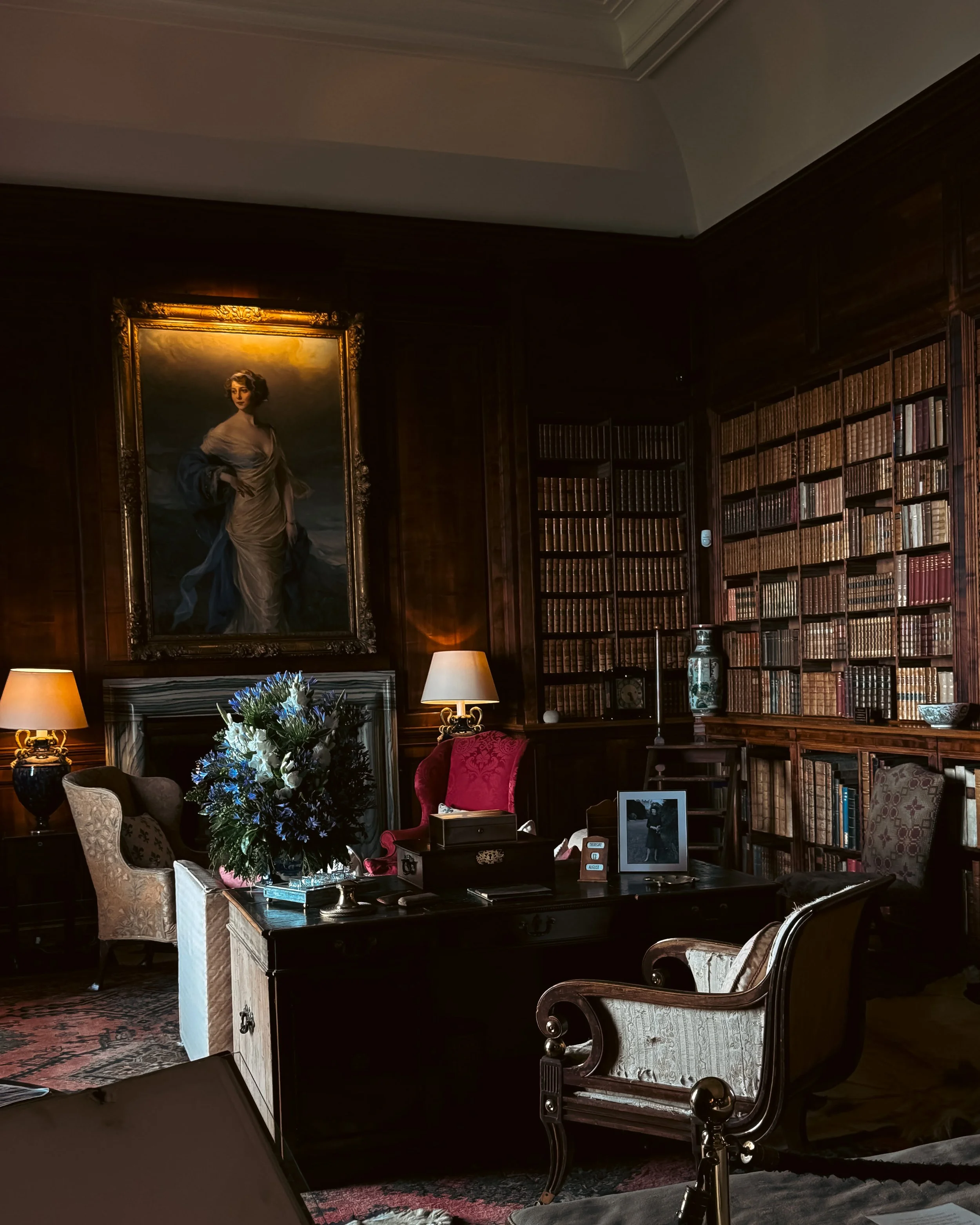
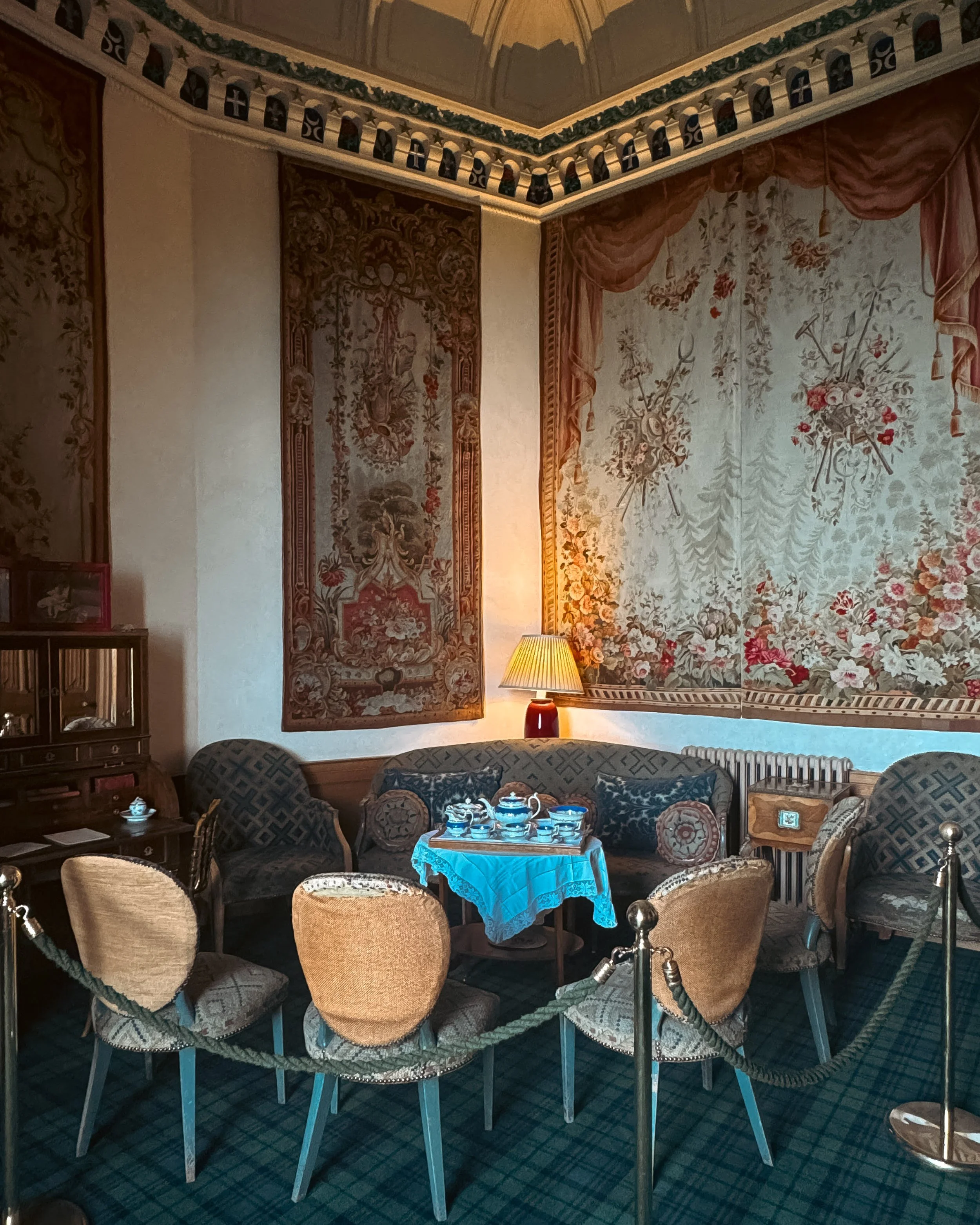
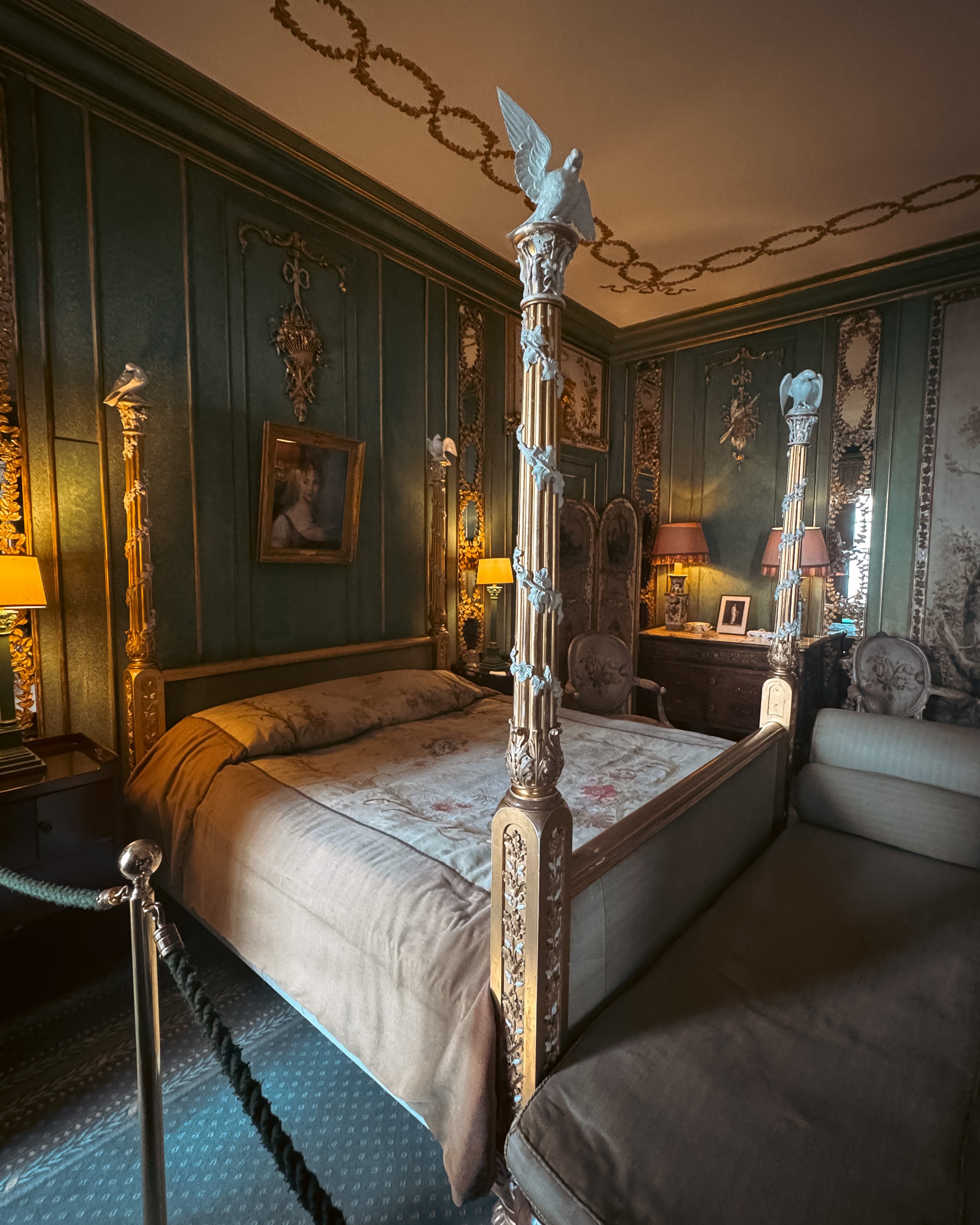
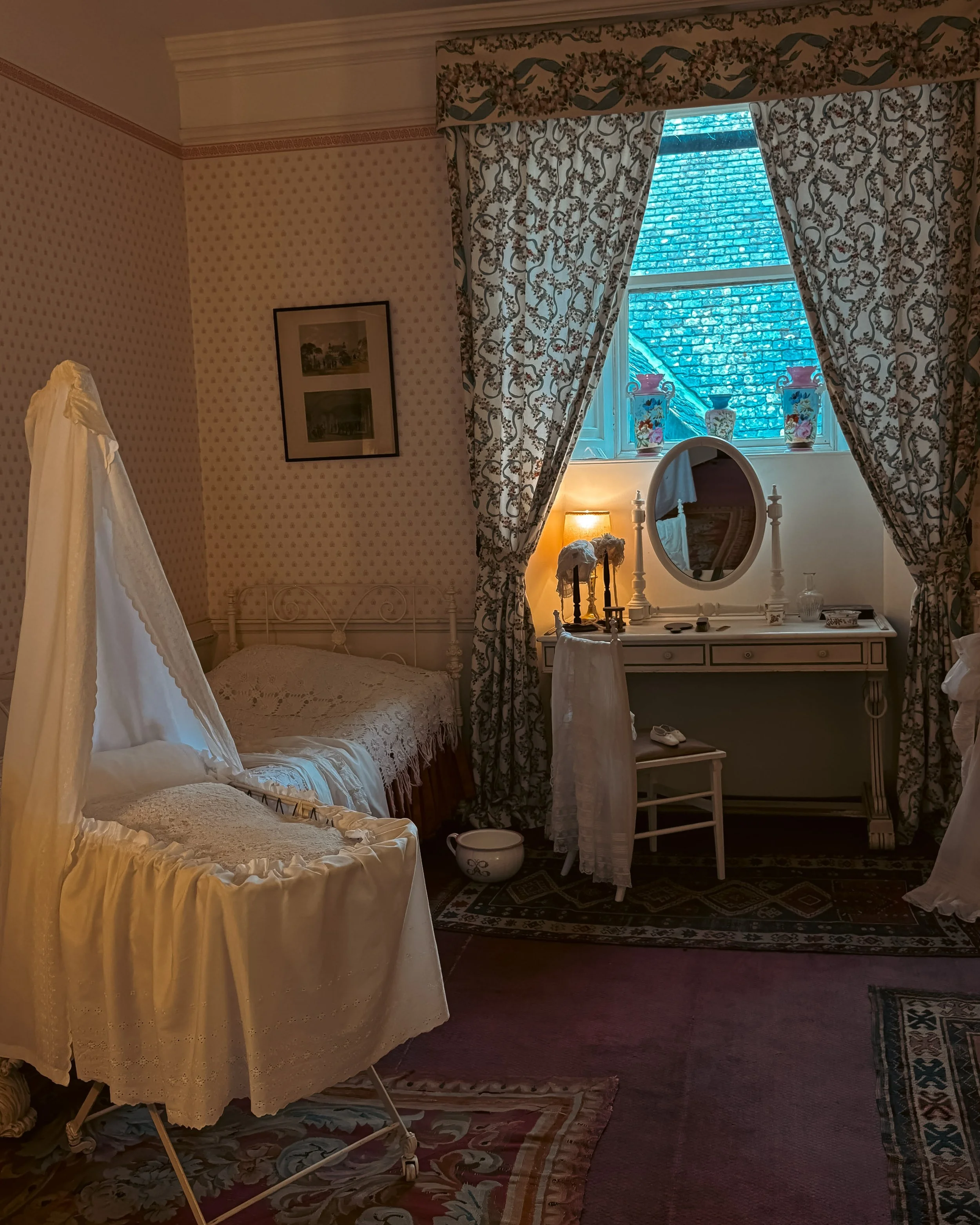
From Pitlochry we continued north and stopped at Dunrobin Castle. The castle is one of Scotland's finest, and its garden was absolutely stunning. There we watched a falconry display, where the falconer talked us through his work. Then we toured the castle's magnificent rooms. Wandering the garden's pathways, you could really feel like a Scottish lady. The castle had been inhabited right up until the 1930s, and it was fascinating to think how completely the world had changed over its long history.
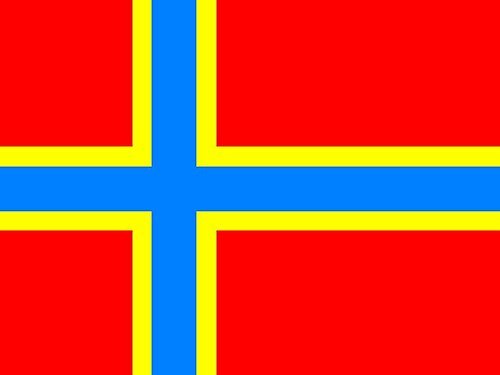
The official flag of the Orkneys, designed by Duncan Tullock, 2007.
Orkneys
We arrived on Orkney's main island, the Mainland, in the evening. The short ferry crossing on the Hamnavoe took only about an hour and a half, and my colleague Antonia and her family gave us a wonderful welcome: they waved Orkney flags at us from the pier as the ferry glided past Stromness towards the harbour. The Orkney flag, by the way, is a Scandinavian-style cross flag in shape, in red, yellow and blue. The current flag is fairly new - it was chosen from competition entries in 2007. Before that, the St Magnus Cross was in use, introduced in 1995 but never officially adopted.
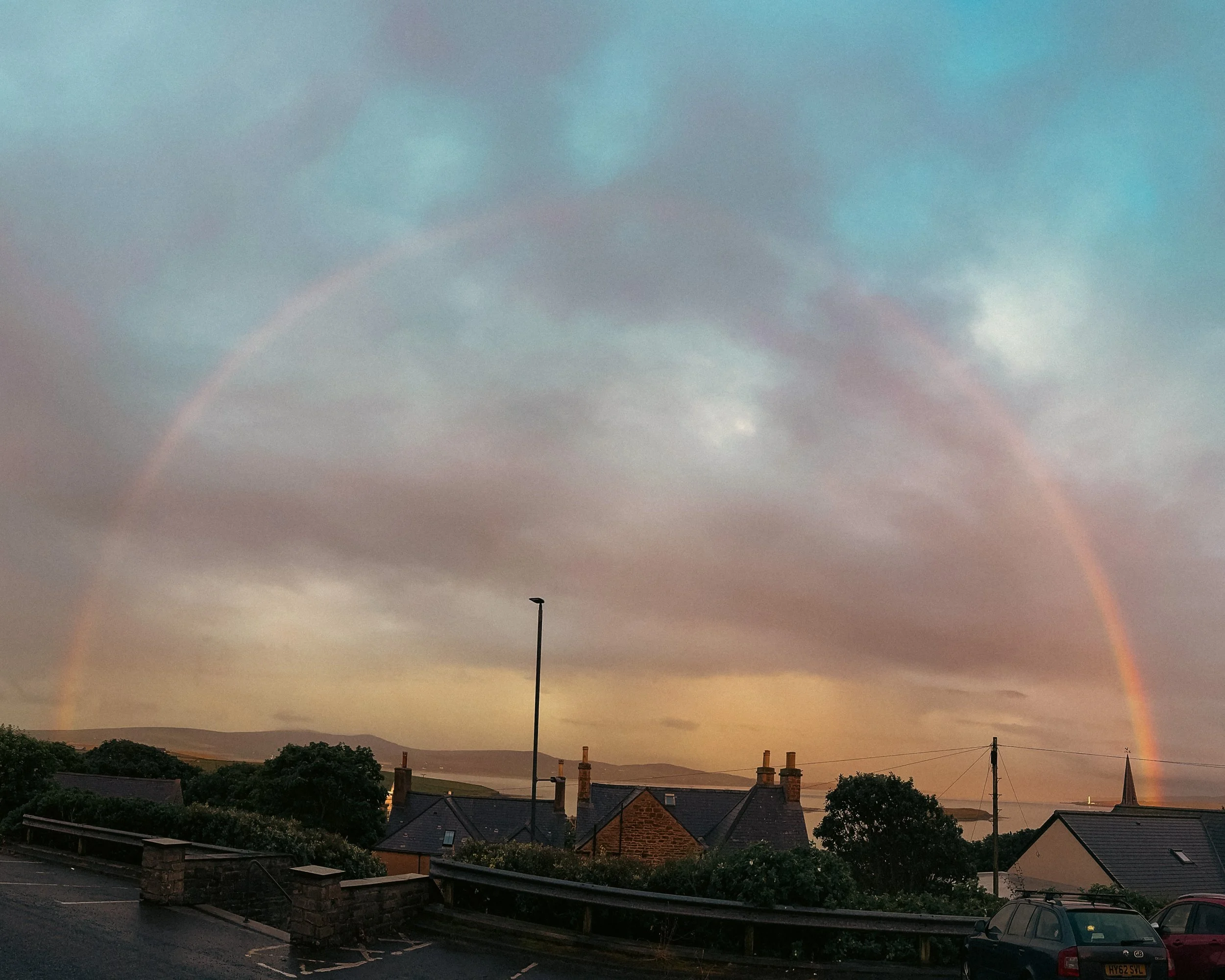
Rainbow over Stromness in the evening of our arrival. We thought it was a good omen for the upcoming year.
Orkney has a fascinating history - and that's true even if we're talking about this somewhat more recent history, not just the place's deep time and distant past. Until 1468, Orkneys and Shetland belonged to the Kalmar Union, meaning they were all part of the same kingdom together with Denmark, Norway, Sweden-Finland, Iceland, part of Greenland and the Faroe Islands - but things went sideways when the Scottish king James III got engaged to a Norwegian (and Danish) princess. The princess's father, King Christian I, was short of money, and instead of a dowry he pledged first Orkney, and later Shetland too, as collateral. However, the money for the dowry never did materialise, and so the islands passed to Scotland. A rather costly marriage deal, one might say with the benefit of hindsight.
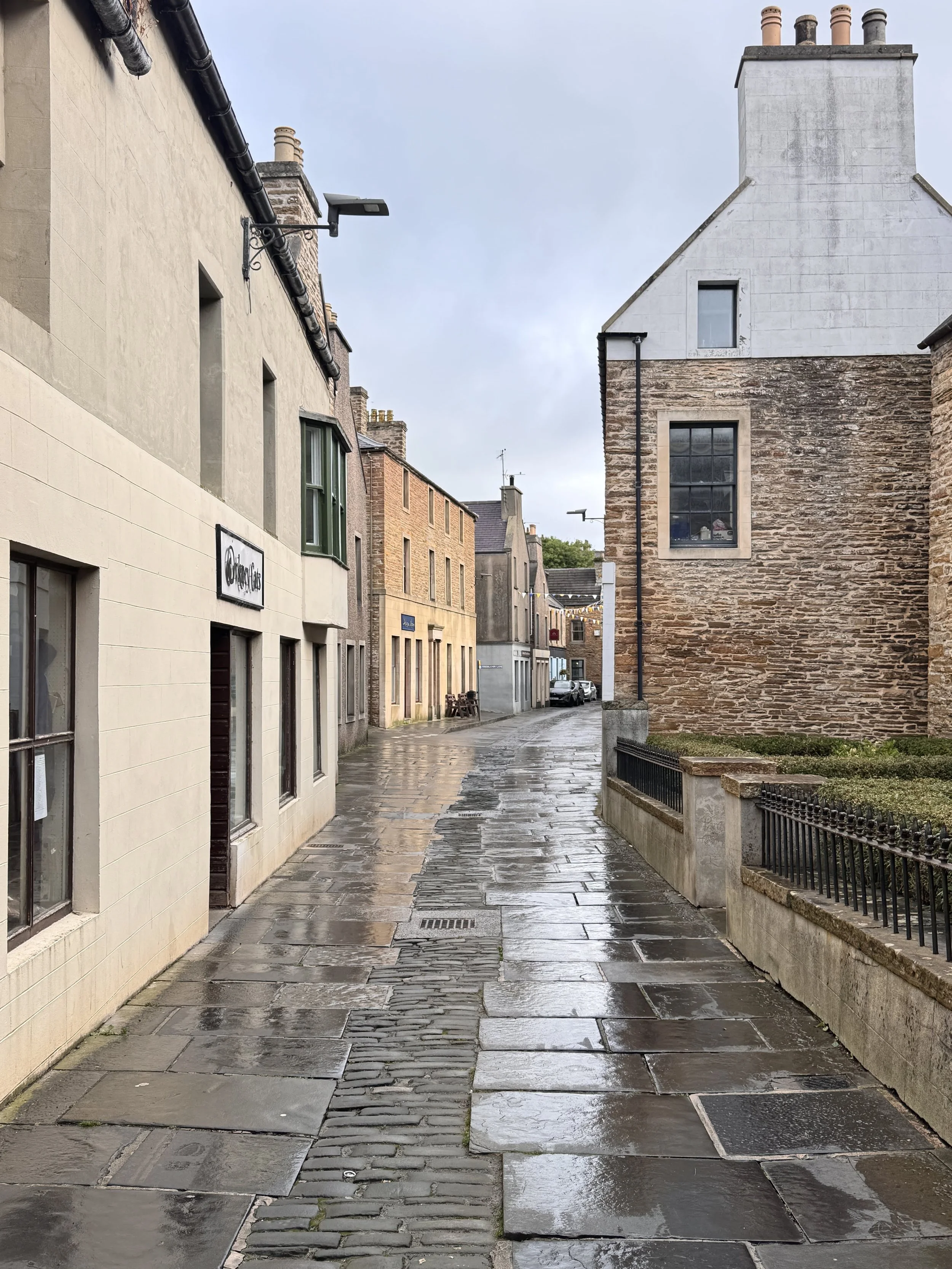
In Stromness we settled into Brown's Hostel, where we ended up living for almost two weeks before we could move into our rental house. In fact, right up until Denmark we'd been anxiously wondering whether we'd manage to move anywhere at all, since we still had no housing lined up. Every application I'd sent to the Orkney Housing Association had been rejected, and nothing had turned up on the private rental side either. Here too, luckily, we got wonderful help, and in the end signed a lease with an unusually charming writer couple who spend most of the year in Edinburgh. We had driven for days on end, crossed borders, crossed the sea three times, and driven the length of Scotland from south to north. And then, all of a sudden, we had arrived. Our first impression of Stromness was calm, idyllic and human-sized. The kind of town you see in TV series about small-town life and cosy little intrigues. Or perhaps in British police dramas. The sea was right there, and the wind blew along the main street carrying the smell of fish and seaweed. The corner shop (which doubled as the post office), the hardware store, the pharmacy, a café, a wool shop, a bookshop, an art gallery, and a couple of tourist and second-hand shops were all close together, side by side, a stone's throw from the library, the museum and the doctor's surgery.