Travel to Orkneys 1/2
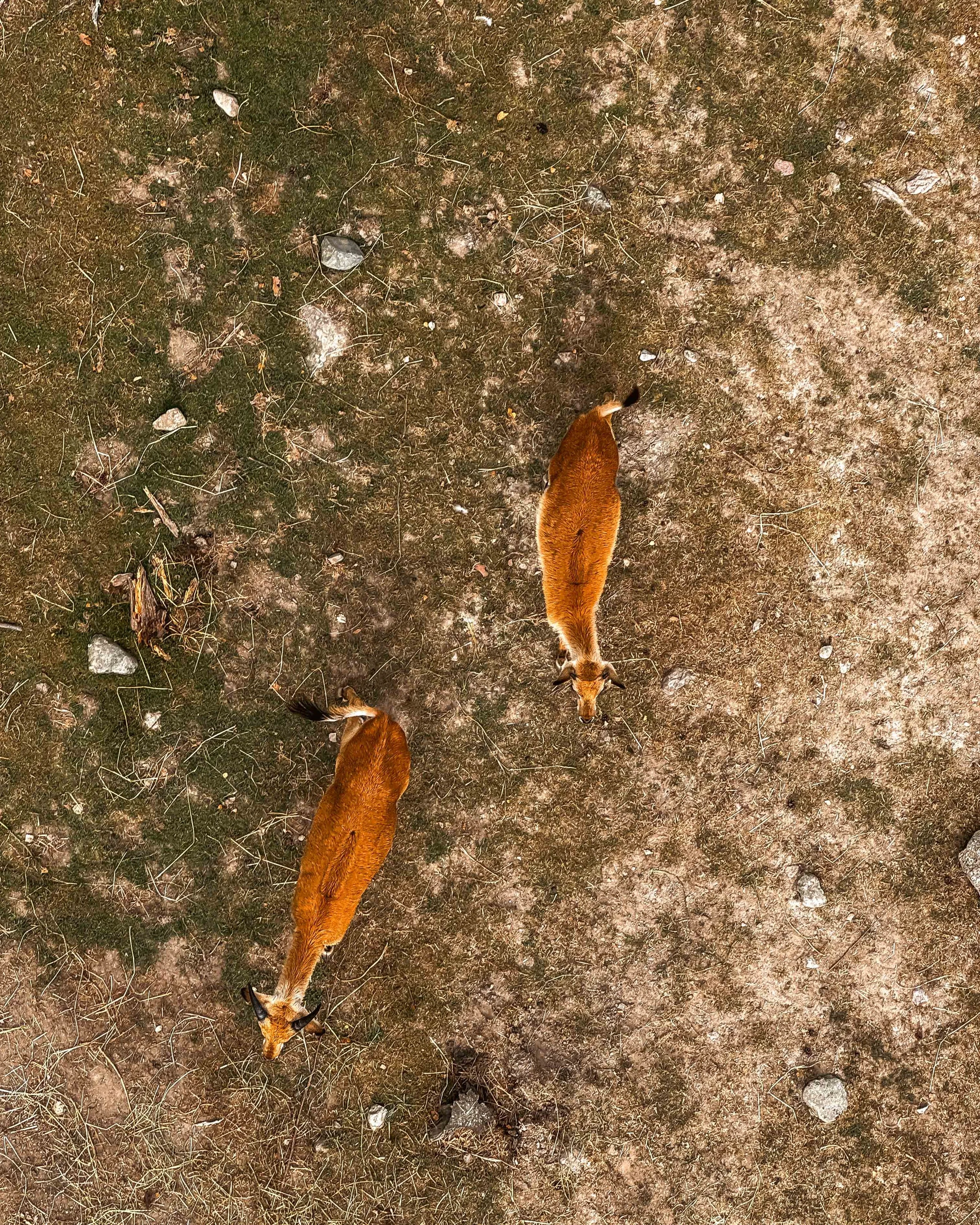
Antelopes from above at Kolmården.
July had been spent packing and sorting things out. I hadn't realised just how much there is to take care of and arrange when you move away for a year. We found lovely tenants for our house, which eased a lot of the worry, but we still had no housing sorted on Orkney by the time the car set off towards Sweden. I'd sent in several applications to the Housing Association and applied for private rentals too, but it seemed almost impossible to find a rental on the island. There were plenty of Airbnb options, but they were too expensive for a whole year, or simply not available for long-term booking at all.
The other thing was the bureaucracy. The system seemed designed to wear visa applicants down to the point where they'd give up on the whole application. Six months would still have been reasonably manageable, but a year-long visa caused a lot more headaches. After three days of wrestling with the online applications, we finally managed to get them submitted. The system was an interesting Kafkaesque loop, where a wrong answer always sent you back to the start page, and there were seven possible visa options with no real explanation of which one might be the right one in my case.
Oddly enough, the applications eventually went through, and we went to have our photos taken and give fingerprints and handwriting samples in a decidedly dodgy, dusty second-floor office in Malmi, right across from a bar called Crazy Horse. The collection of people's personal data in the system had been outsourced to a commercial operator. A fairly disastrous arrangement from a data-privacy point of view, I'd say, but what can you do.
For weeks we'd been packing, sorting and cleaning, and our child was like a Tetris piece that had to be slotted into the back seat of the car at exactly the right angle to fit among the suitcases and the vacuum-packed bags of clothes. Brilliant invention, by the way, those vacuum bags.
And then, all of a sudden, we were off. We hopped on the ferry in Turku, and the travel had begun.
From Sweden to Legoland
Driving through Sweden was the first real sign that we were actually on our way. We'd promised our child a visit to Kolmården, and if I'm honest, I was probably even more excited about it than he was. We'd been there before with our older son, and I still remembered the cable safari, where you could watch the animals from above without disturbing them at all.
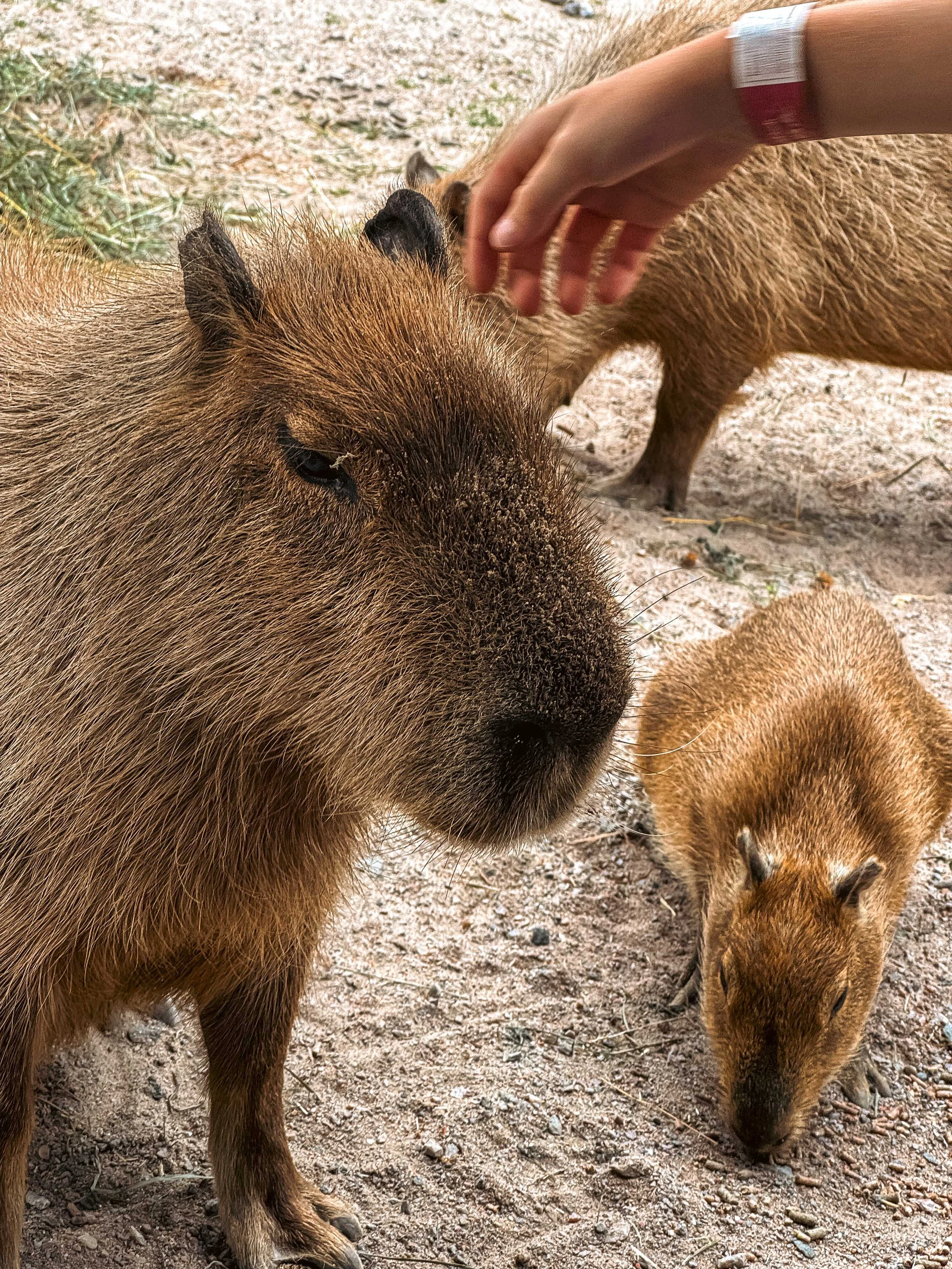
The kid loves capybaras, so I booked a “scratching hour” to spend with them. Interesting creatures, those world’s largest rodents.
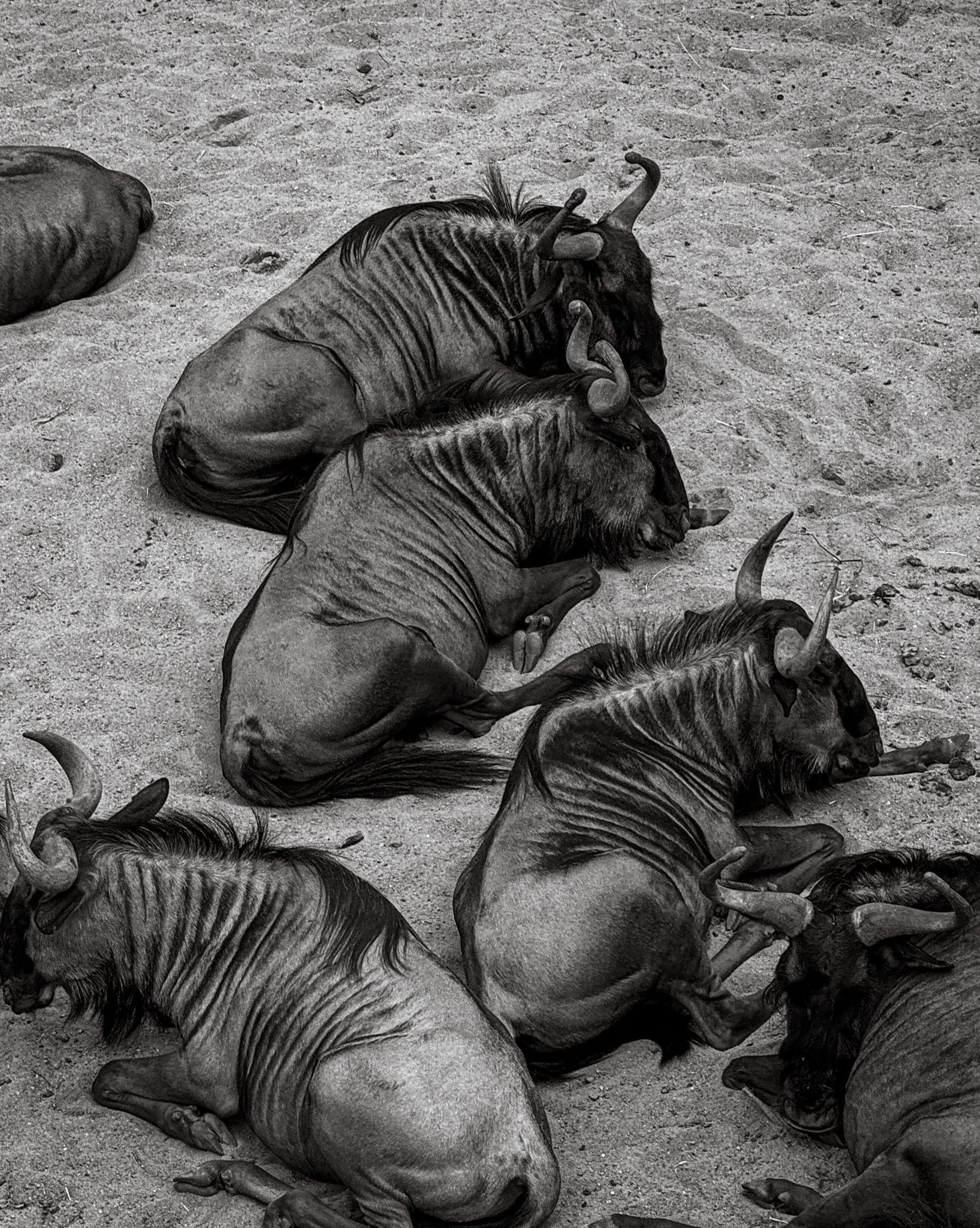
This time too I'd booked the ride, and it was astonishing to peer down at giraffes, antelopes and lions from above as they went about their business calmly, unbothered. The enclosures were vast and forested, enormous compared to Korkeasaari.
My relationship with zoos has been ambivalent since childhood. On one hand, I find it wonderful to observe animals so closely; on the other, their captivity troubles me. All of Kolmården's animals were born in captivity, and according to the park's own information, the place is actively involved in conservation work and helps fund the protection of endangered species.
We continued on through Sweden and spent one more night before driving across the Öresund Bridge into Denmark. The pace felt just right, in that we got a good breakfast at the hotel and didn't need to stop separately for lunch.
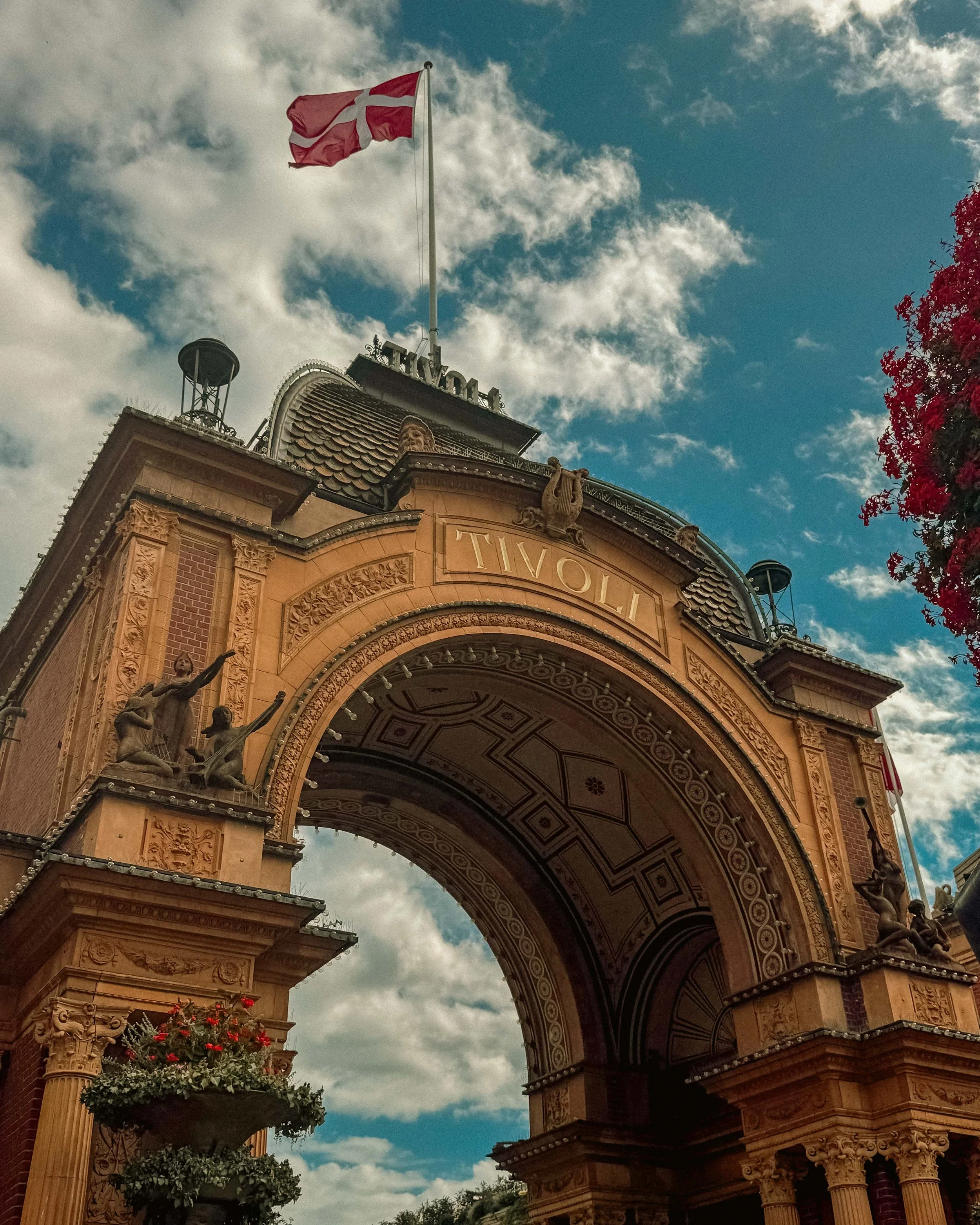
In Copenhagen we parked in the city centre and headed for Tivoli, which I myself had never visited before. The queues for the rides were fairly long and the wristbands quite pricey for a short stop, so we ended up just eating at an excellent restaurant and playing fairground games instead. I got to show off my archery skills, and we whacked moles with rubber hammers enough times to rack up enough plastic tokens for a fairly large stuffed toy.
Tivoli really is a wonderfully apochronic place, including to many different times all at once, outside of all of them. It feels like it's sailing along in some cinematic 1950s time bubble, with its Chinese-style theatre and its elegant terrace restaurants. Linnanmäki, by contrast, lives much more in the present and keeps actively reinventing itself. Both approaches are good in their own ways. Reinvention guarantees new visitors, but I was still glad this summer that the old wooden Vuoristorata roller coaster had gained a nostalgic historical section, along with the chance to step onto a terrace right in the middle and under of the tracks. It's nice that the importance of nostalgia and history around amusement parks is understood in Finland too.
We then spent the whole of the next day at Legoland. We were on our way towards Orkney's neolithic tombs, wind-battered shores and archaeological landscapes - and stopped off at a miniature world built entirely out of plastic bricks. The statues of the Egyptian temple made an impression on me. It's fascinating how every era handles history in its own way. After that we packed up the car again and carried on westward.
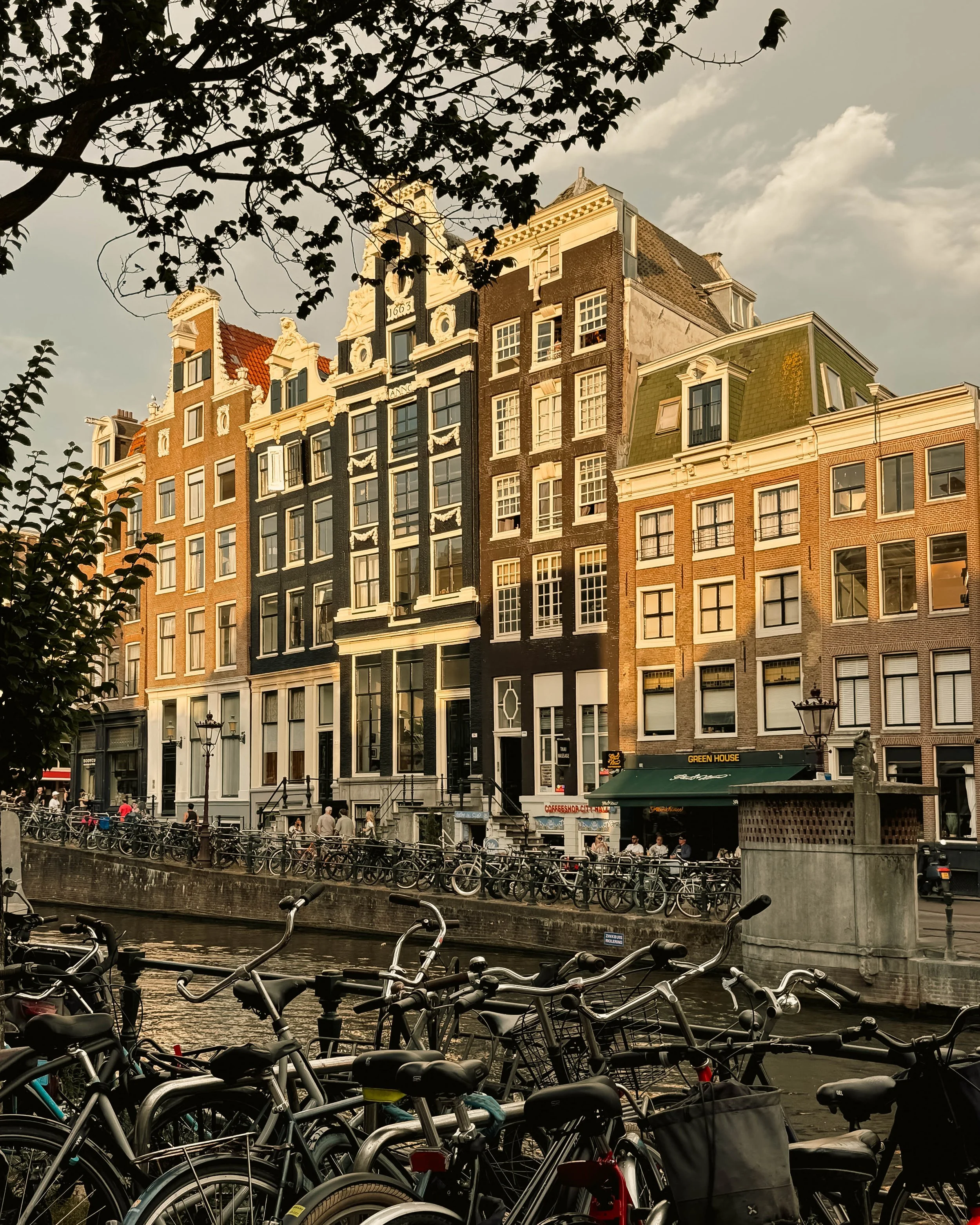
Amsterdam
Germany already felt further from home. The kilometres kept adding up, and gradually the journey became its own separate reality. Hotel rooms, petrol stations, (bitter) roadside coffees, and the constant repacking of the car began to form a rhythm all their own. Rather unexpectedly, we ended up with a lovely large hotel room in Oldenburg, complete with a bathtub with waterfall taps.
For Amsterdam I'd booked us a small eco-hotel near the Rijksmuseum. For some reason I'd never actually been to Amsterdam before, even though everyone who's visited has praised it without reservation. We walked the streets, cruised the canals, and visited the impressive science museum NEMO.
I'd been dreaming for a long time of a trip to see the Rijksmuseum's collections. We ended up spending a good while there. I focused mainly on Rembrandt and Vermeer and their contemporaries. I wanted to see what the light in those paintings actually looks like in real life.
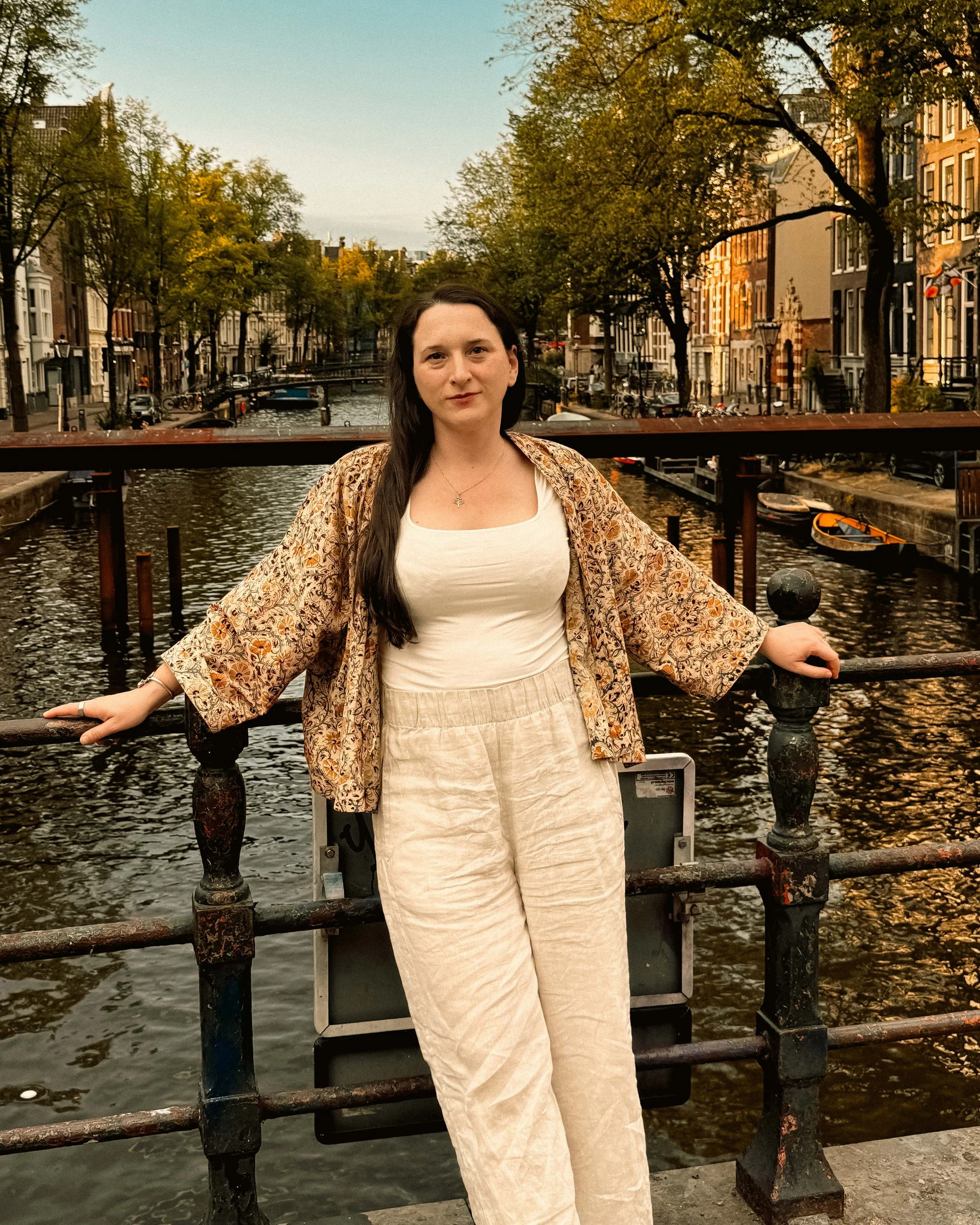
On the bridge at Amsterdam. Last days of summer before the move to the cooler climate.
It was indeed astonishing, though in a different way with each artist. Rembrandt's tight, almost point-like lighting leaves most of the image in shadow. The brushwork and precision are incredible, and the paint is sometimes layered really thickly, yet it still avoids the stuffy, overworked feeling that often bothers me enormously in paintings. With Vermeer and his followers, by contrast, there's a clearly more even, cool natural light that renders interiors with almost photographic precision.
Professor Philip Steadman explored in his book, the possibility that Vermeer used a camera obscura as an aid while painting (see Vermeer's Camera: Uncovering the Truth Behind the Masterpieces, Oxford University Press, 2001). Looking closely at the light and perspective, I thought he might have been right.
All in all, it was wonderful to see the paintings in real life, since a digital photo doesn't reproduce well the glow and sense of depth present in paintings - and in analogue photographs too, for that matter. I've struggled with this same problem when photographing both my own work and other people's. It's fascinating how sensitive the human eye is to noticing differences on a surface as small as a hundredth of a millimetre. I don't consciously notice them, of course, but if they're not there, the end result looks strangely flat compared to the original work.
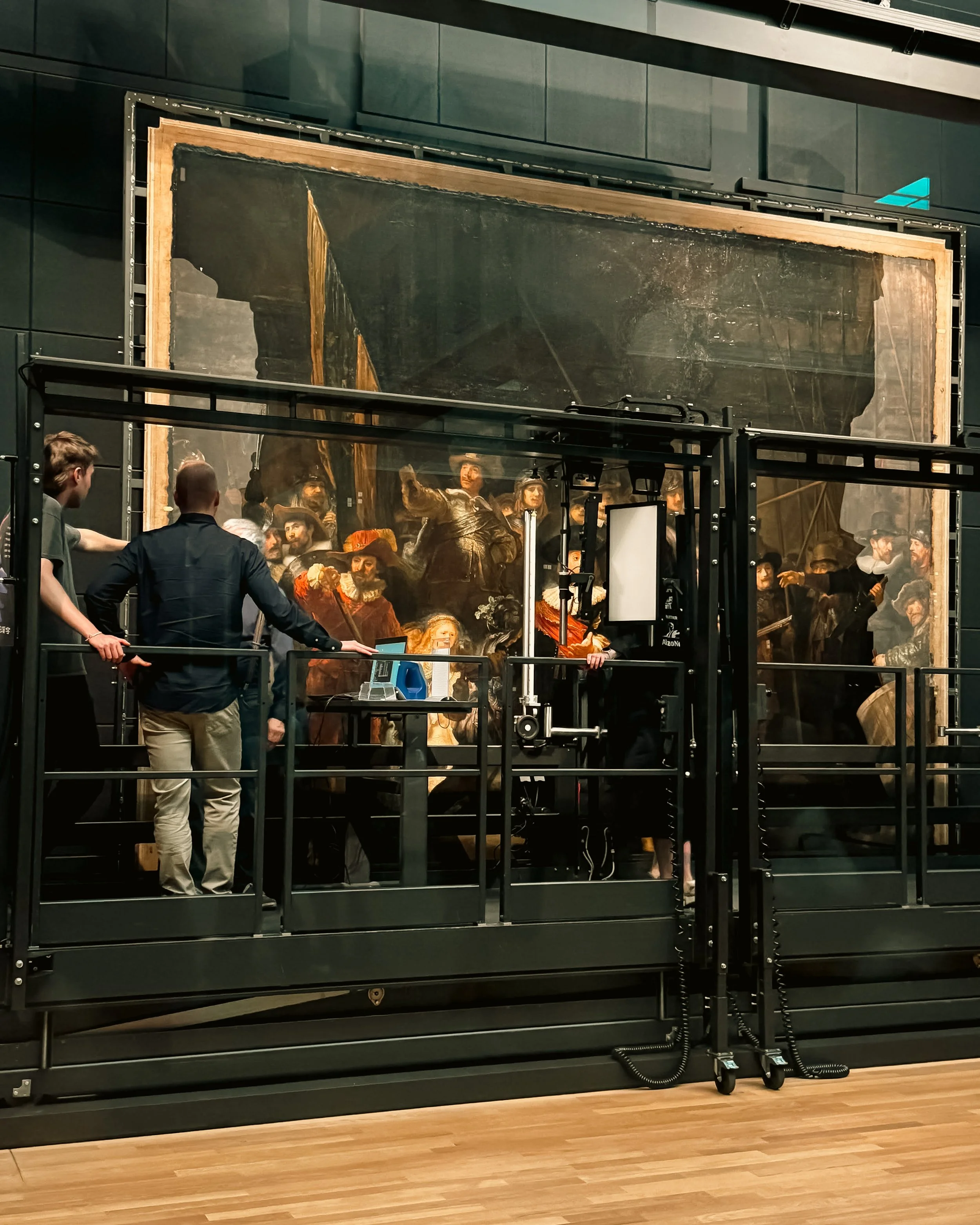
The Night Watch (1642) is being restored in real time. The popular name is a misconception, derived from the darkened varnish that covered the painting for a long time.
I noticed I had slowly started to orientate towards the year ahead…