A Glimpse into Orkney's Archaeology
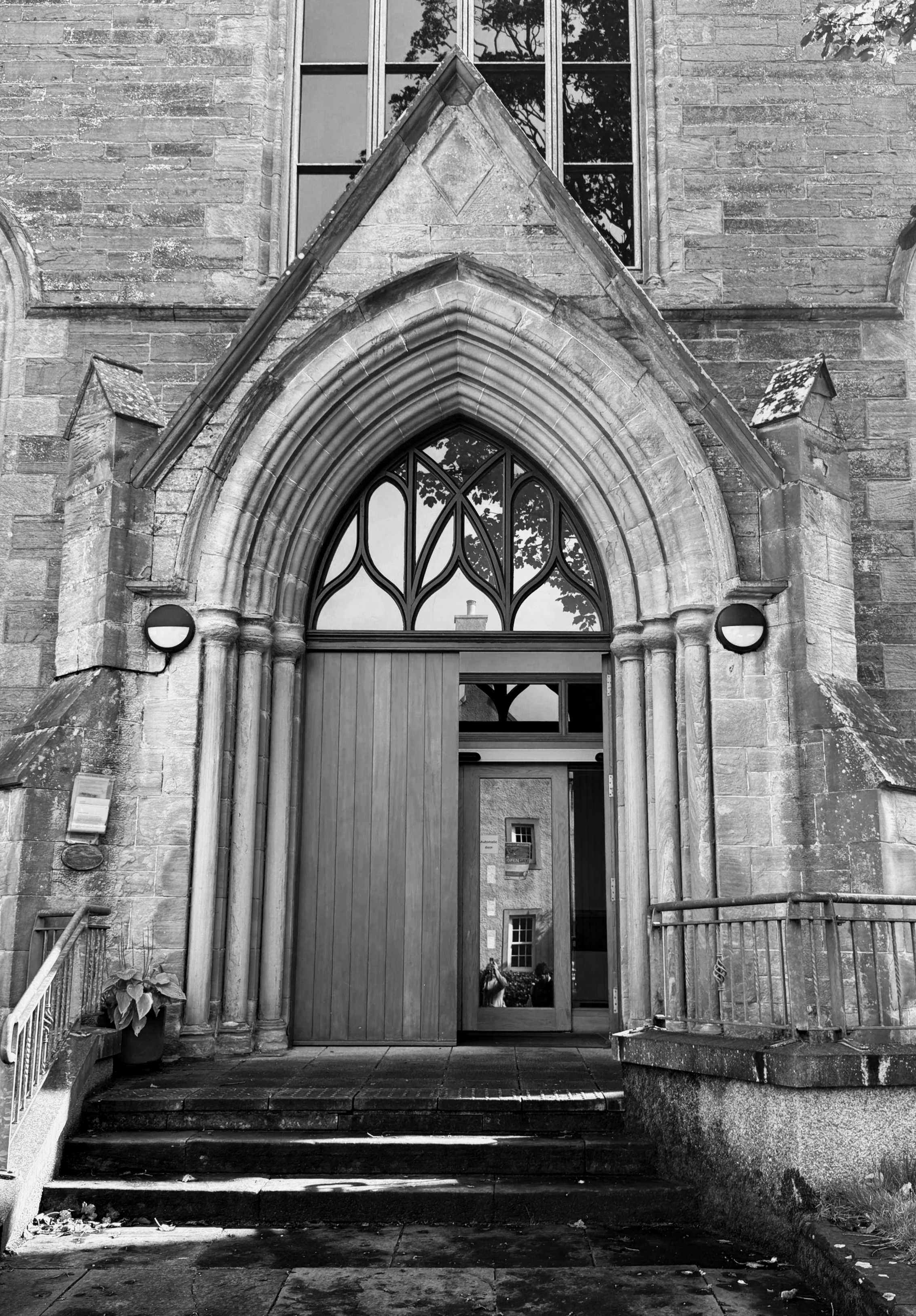
King Street Halls entrance, Kirkwall
Orkney seems to have a festival for just about everything: archaeology, art, music, literature, and surely plenty more we haven't discovered yet. People here also seem to organise events without much fuss, which is of course wonderful. And because there aren't too many events overlapping, it's easier to actually go to them. In Helsinki it feels like something is happening all the time, and in the end I lazily just stay home because going out feels like such a big step.
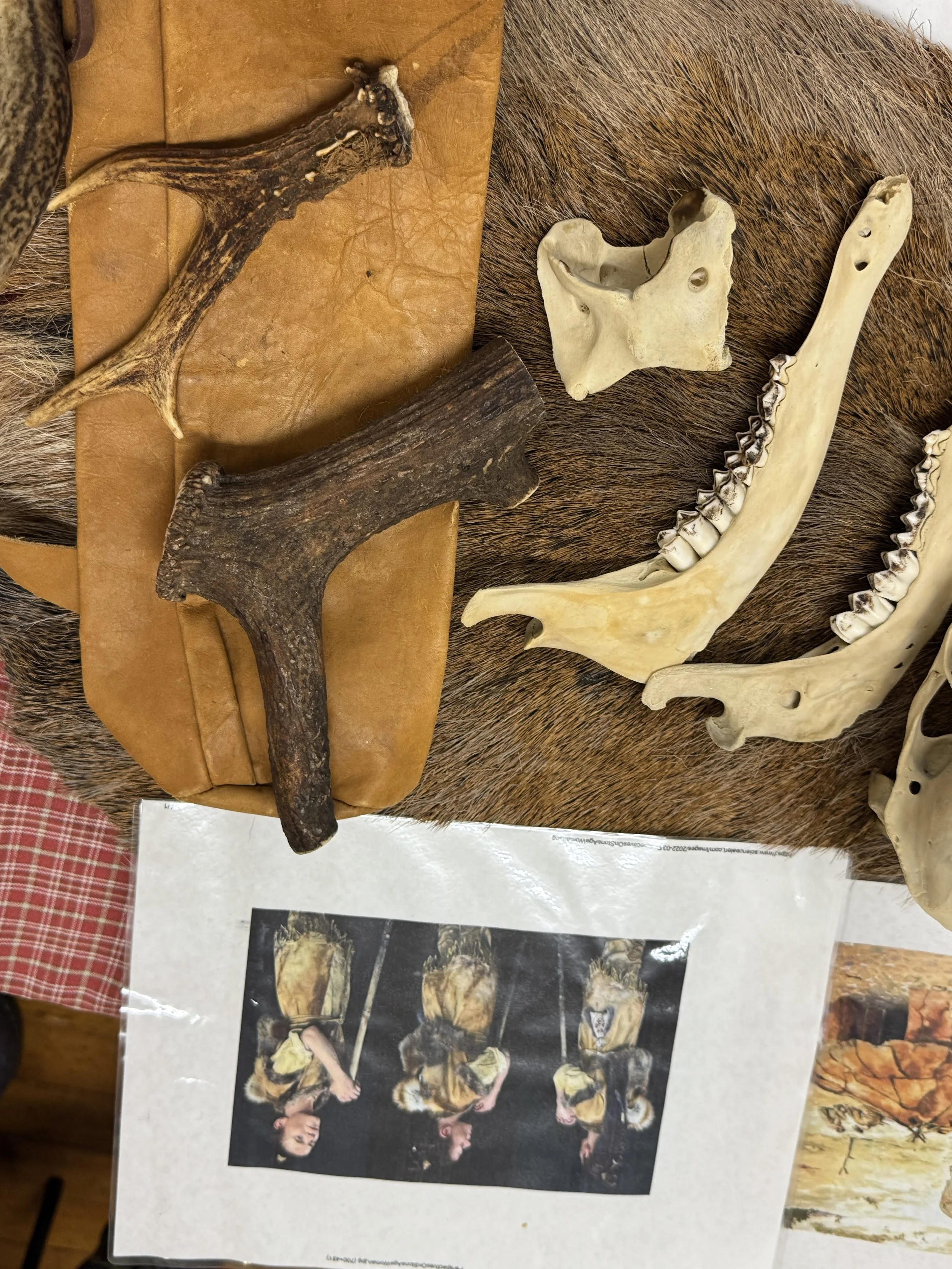
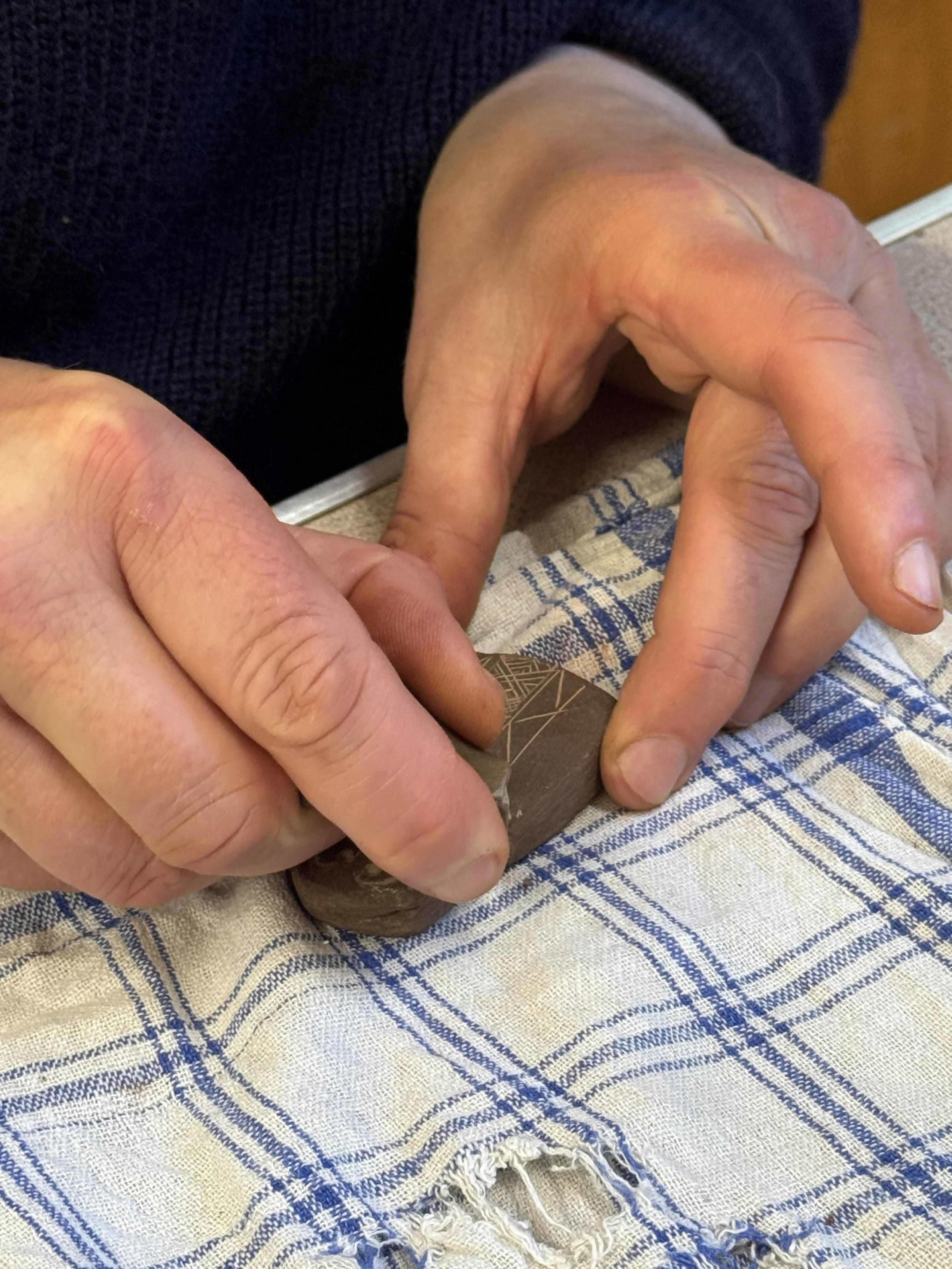
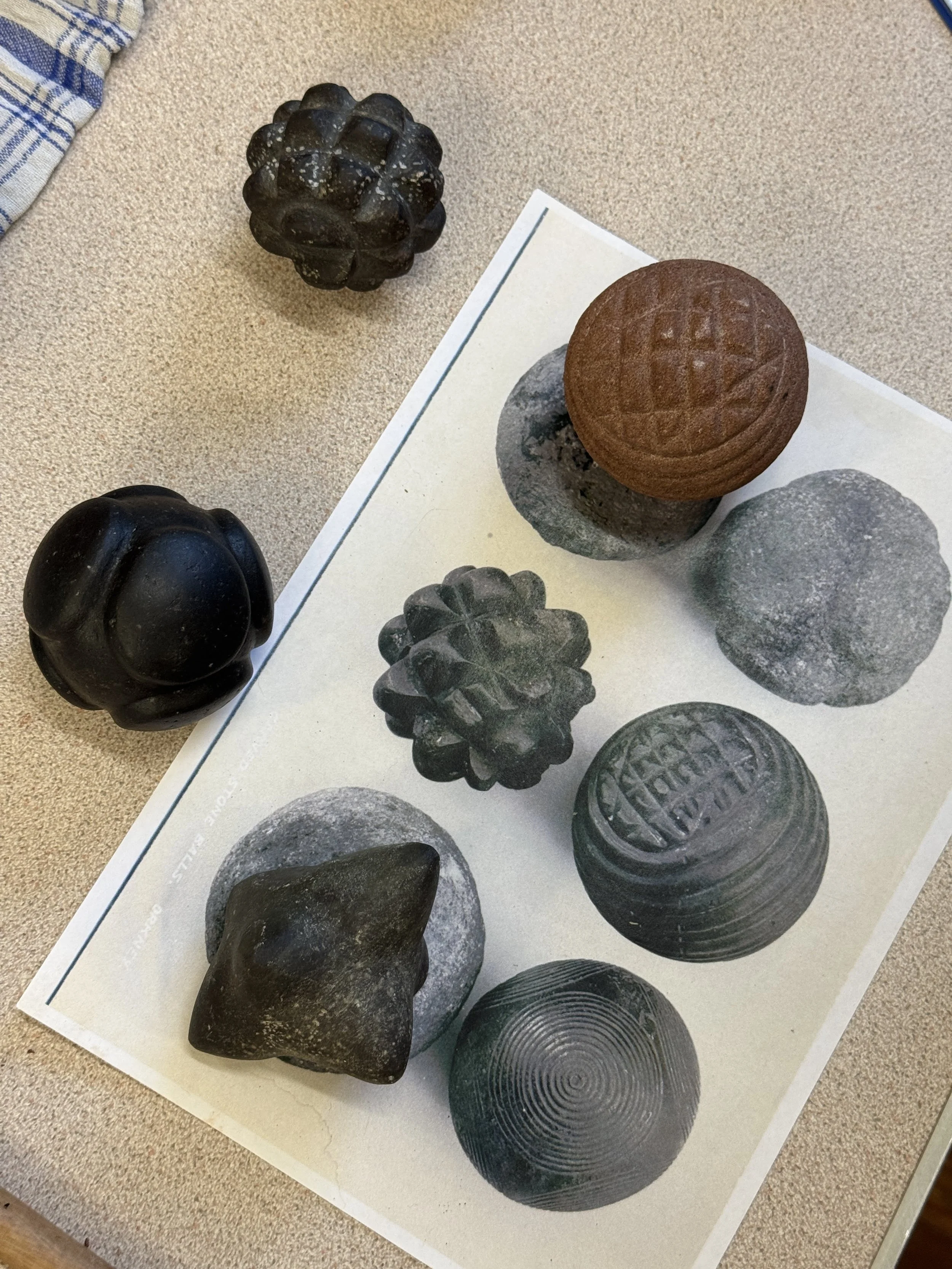
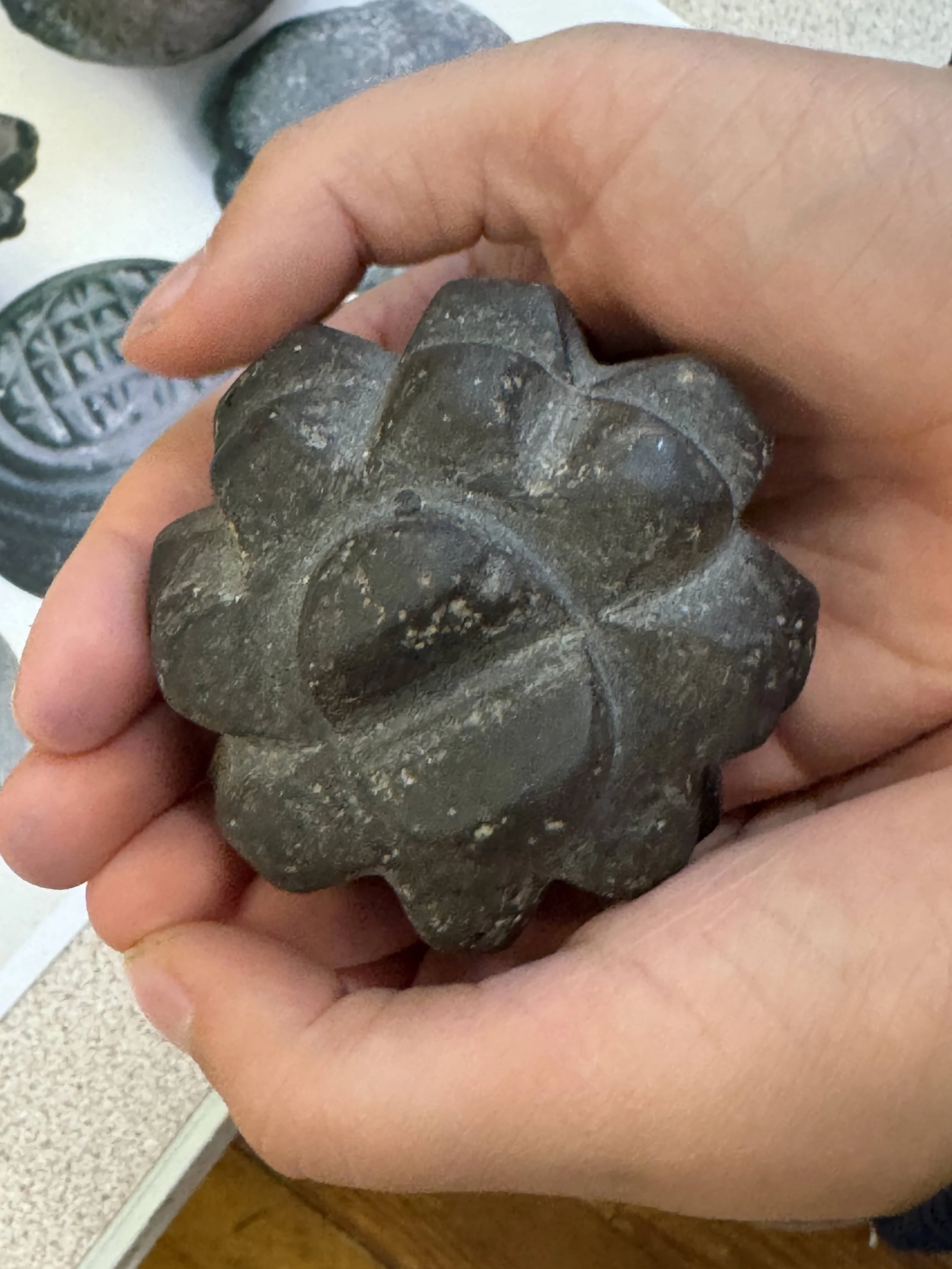
We went to the King Street Halls in Kirkwall for an Orkney Festival of Archaeology event to learn about UHI's archaeological research. On display was everything from stone research and sieving to bones, antlers and pottery. It was fascinating to see how many different methods archaeological research involves and how concretely the materials are studied. A particularly exciting conversation was with a doctoral student who studies the marks left on stones when they are worked with different techniques. It's a method of experimental archaeology: he uses, for example, one stone as an anvil and another as a hammer, and then makes something out of flint with them. Finally, he compares the marks left on the "anvil" and the "hammer" with archaeological finds. He also models the resulting marks in 3D, which gives a far more precise result than the naked eye as to whether the marks match. My clolleague, in turn, was showing stone finds with exquisitely fine incised lines. Because sandstone is soft, it was easy to carve and draw patterns into it. Some of the patterns bore a striking resemblance to the triangular patterns on our deer antler from the Kone Foundation project in 2020. The diamond pattern also seems to have been a popular decorative motif both in Finland and here.
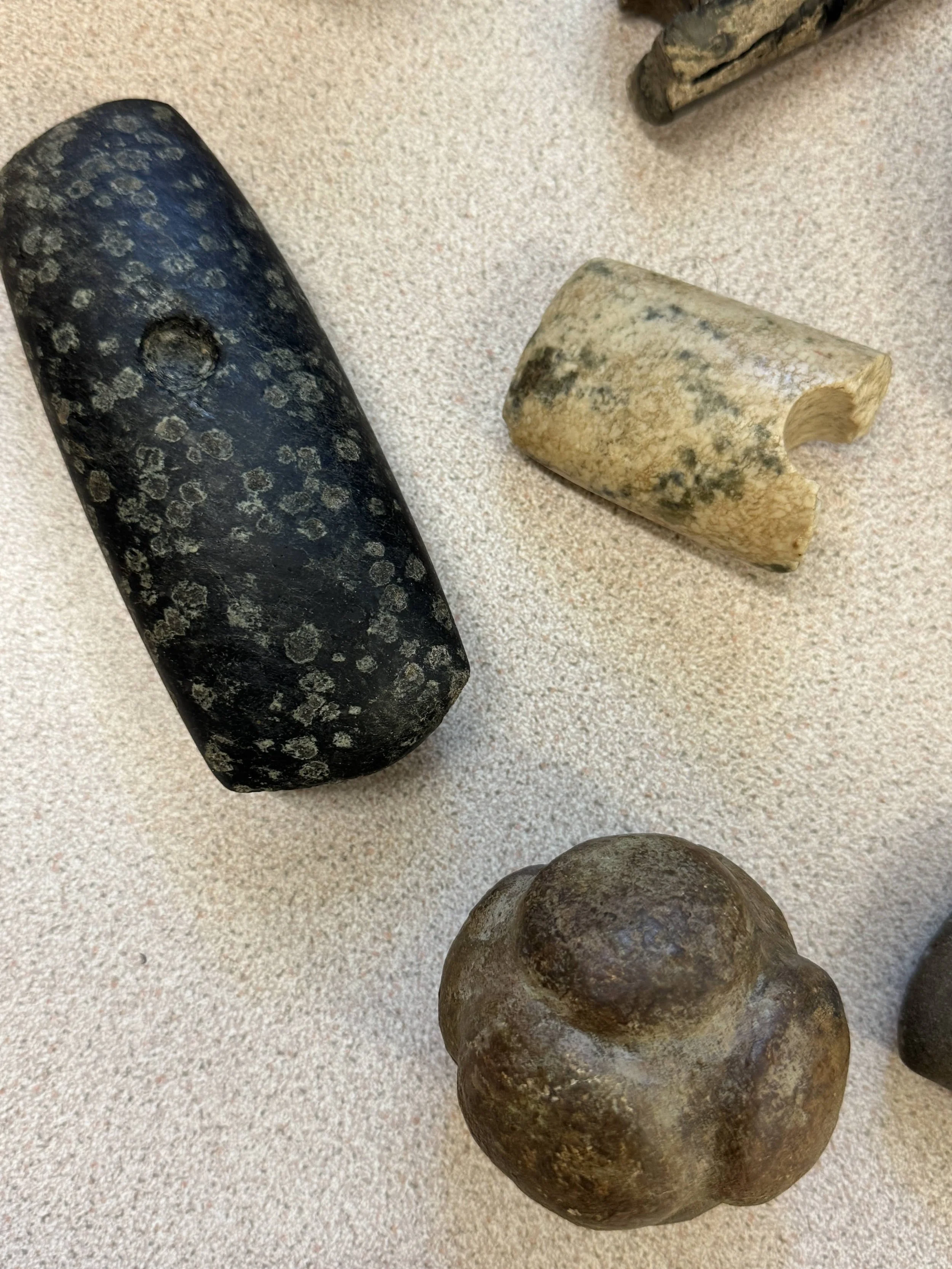
Another interesting conversation was with an archaeologist who also studies stones, among other things. A great deal has survived here precisely because stone was used so widely. The types of stone found here were easier to work than that good old Finnish granite. I marvelled at the stone axe heads, polished silky smooth, with their recurring graceful curves. The objects, made with such precise symmetry, spoke of superb grinding and sanding technique and a rigorous sense of symmetry. These elegantly curved axe heads were much more than simple weapons or tools. The “stress toys” fascinated my kid, who could not believe that they were made some thousands years ago. They seemed so modern.
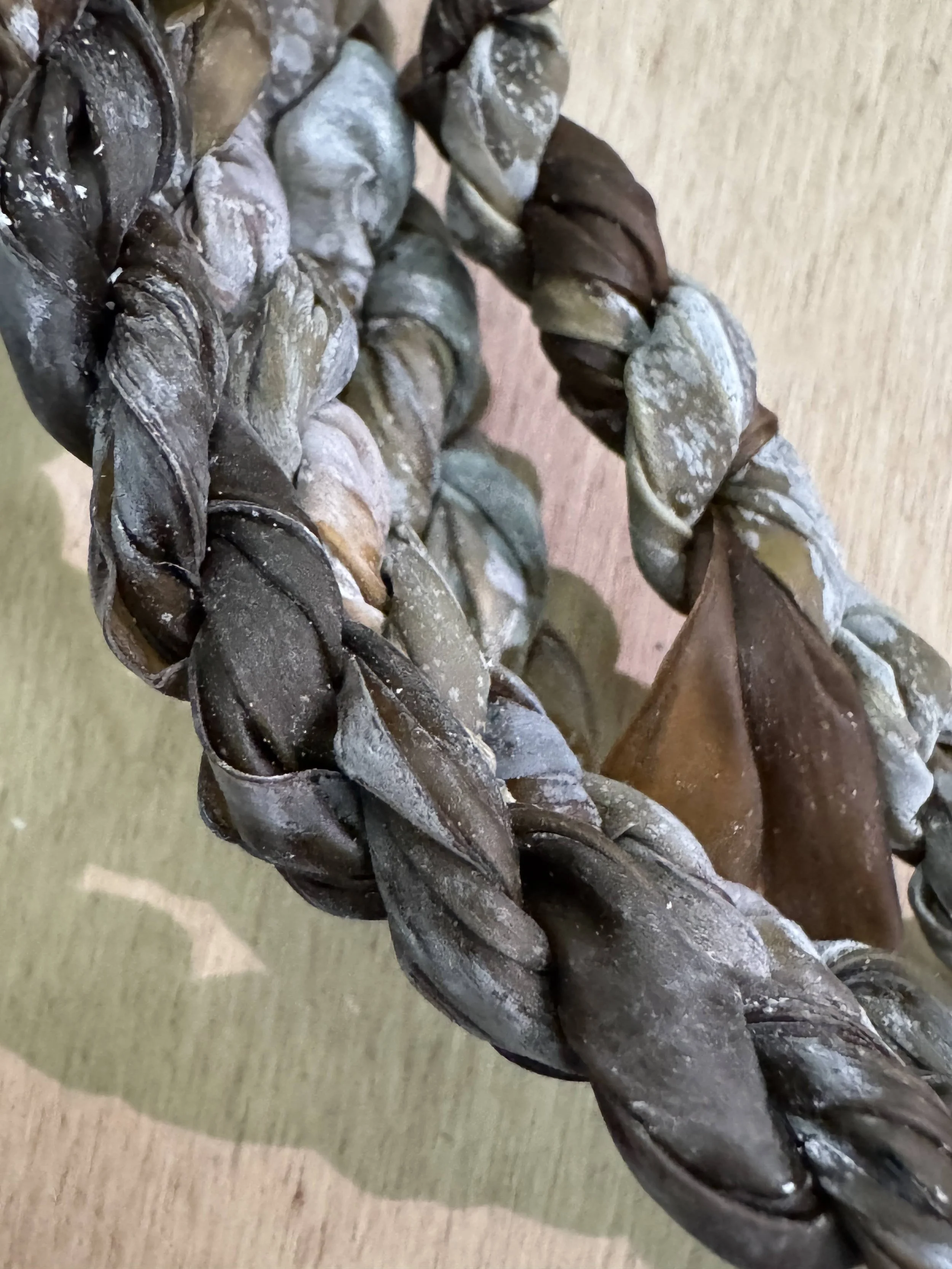
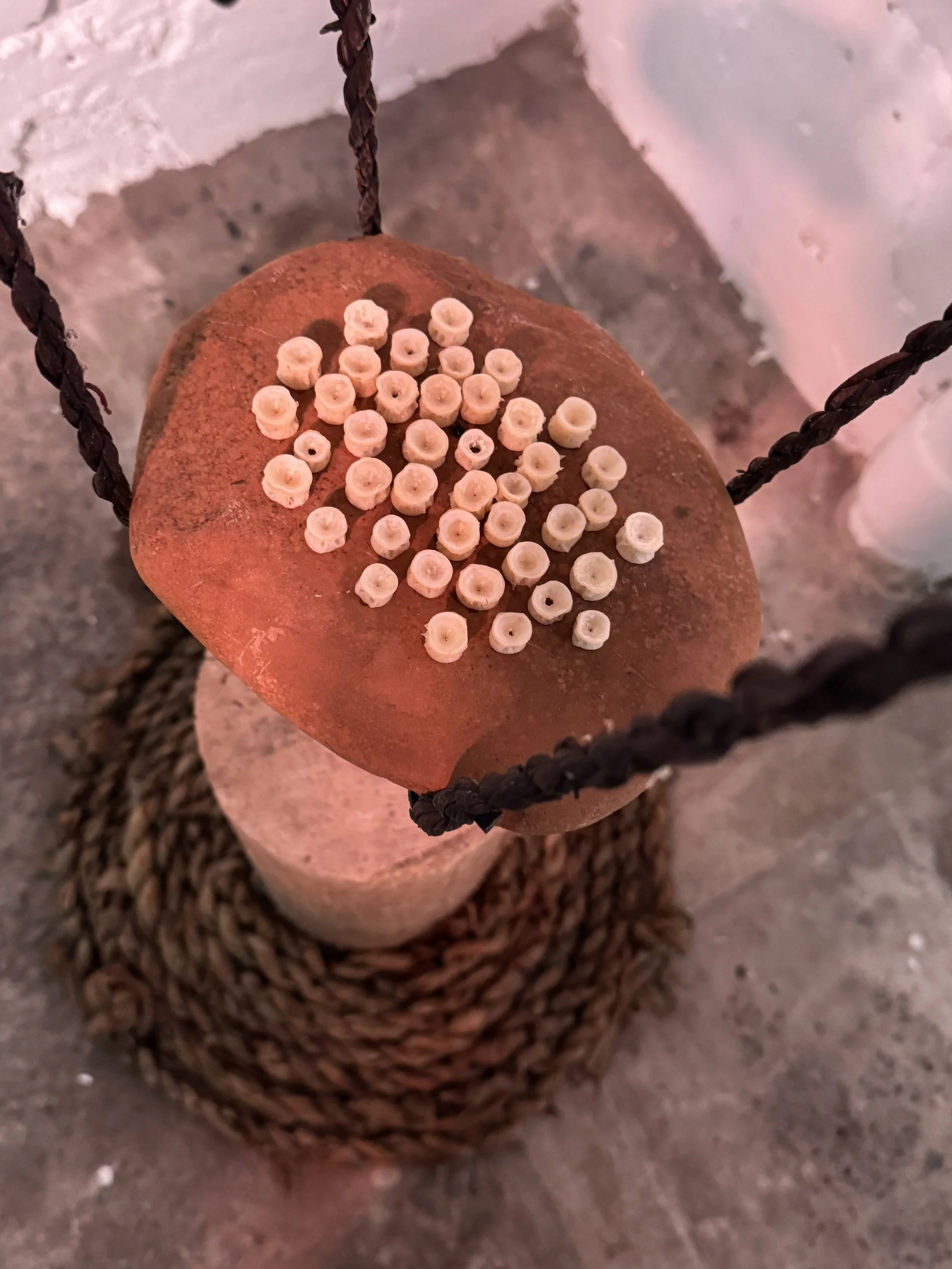
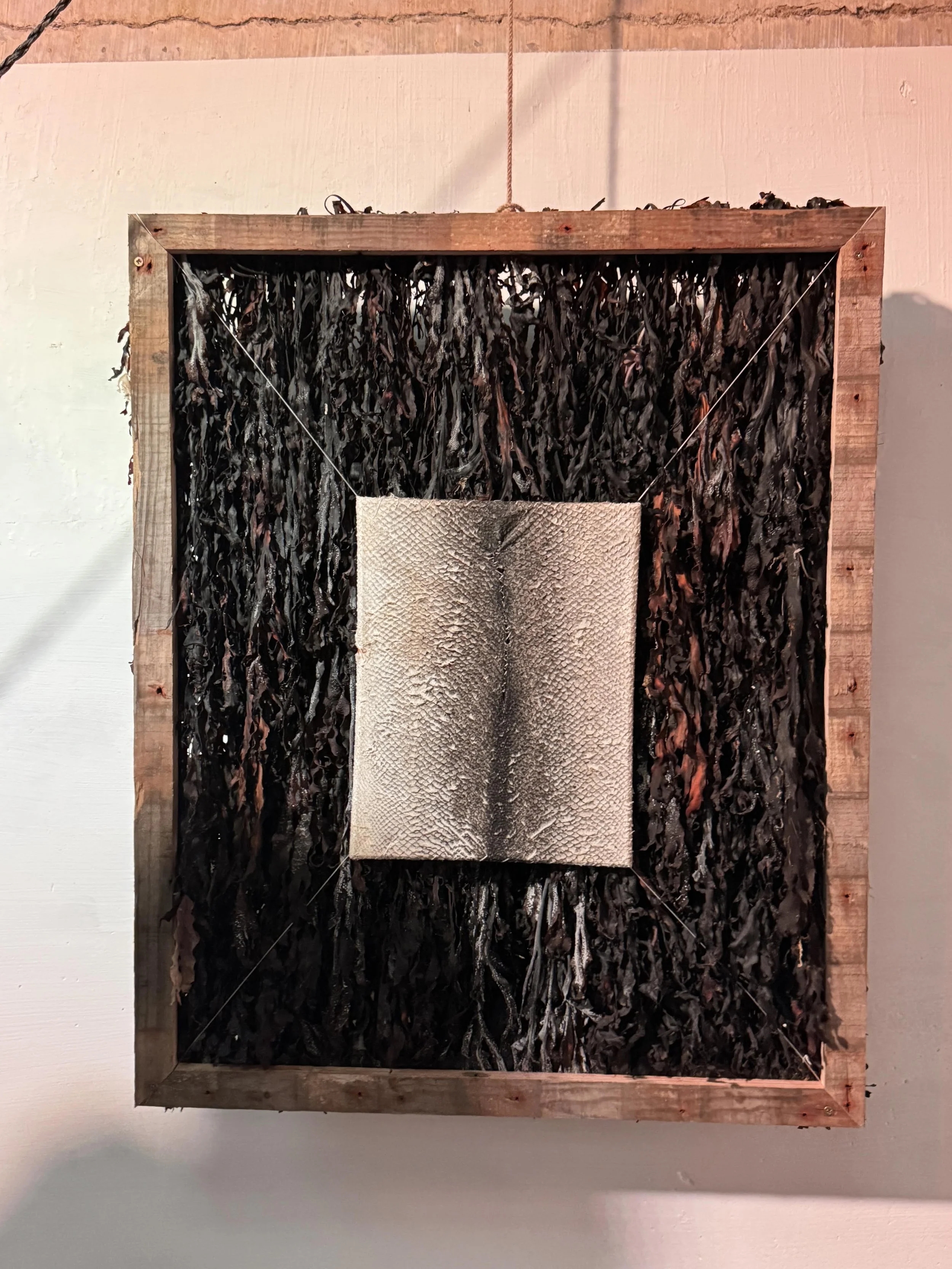
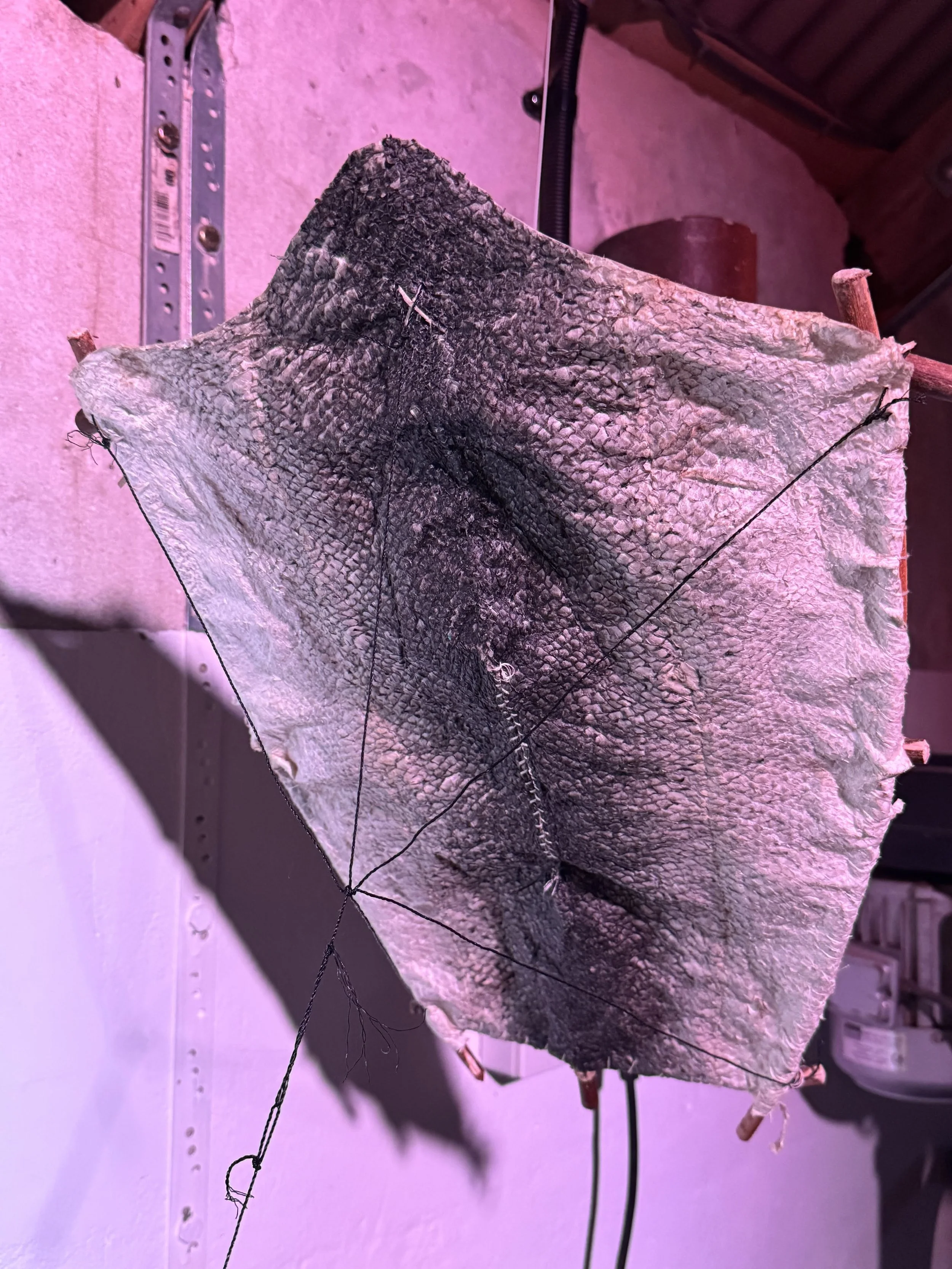
One evening we moved from prehistory to contemporary art and went to see the degree show of one of my colleague’s students, Jemima Hall. She had researched the very tomb at Isbister that I had visited right after first arriving on the island, and her works used materials such as seaweed and fish leather, onto which she projected video works. She had also braided ropes from seaweed that could hang even heavy objects from the ceiling. It was easy to imagine similar seaweed ropes being used, say, to hang a cradle from the roof of a Stone Age dwelling. It feels that many artists here works with seaweed and beach finds. The sea is such an essential part of everything that it also takes up a big share of the subjects and materials of art. It's interesting how varied the inspiration and range of materials the sea offers.