Ocean and beach
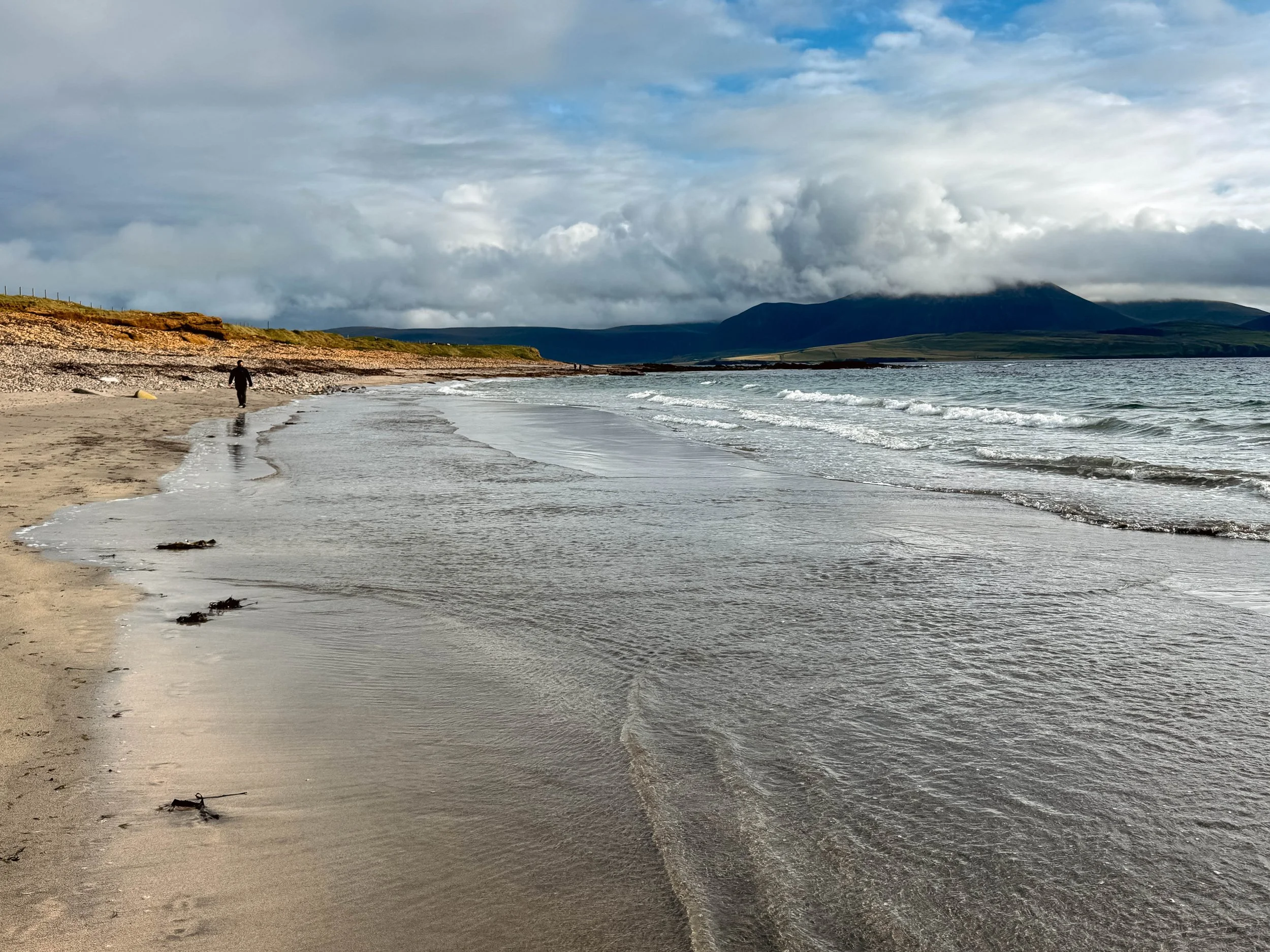
Warbeth Beach with Hoy in the back.
In Orkney, the sea is impossible to ignore. It's everywhere, since you're on an island. But like all islands, Orkney's sea has its own particular character and presence. In Stromness you catch sight of it between the houses, and the kid’s school windows open straight onto the bay — without doubt the finest view I've seen from any primary school ever.
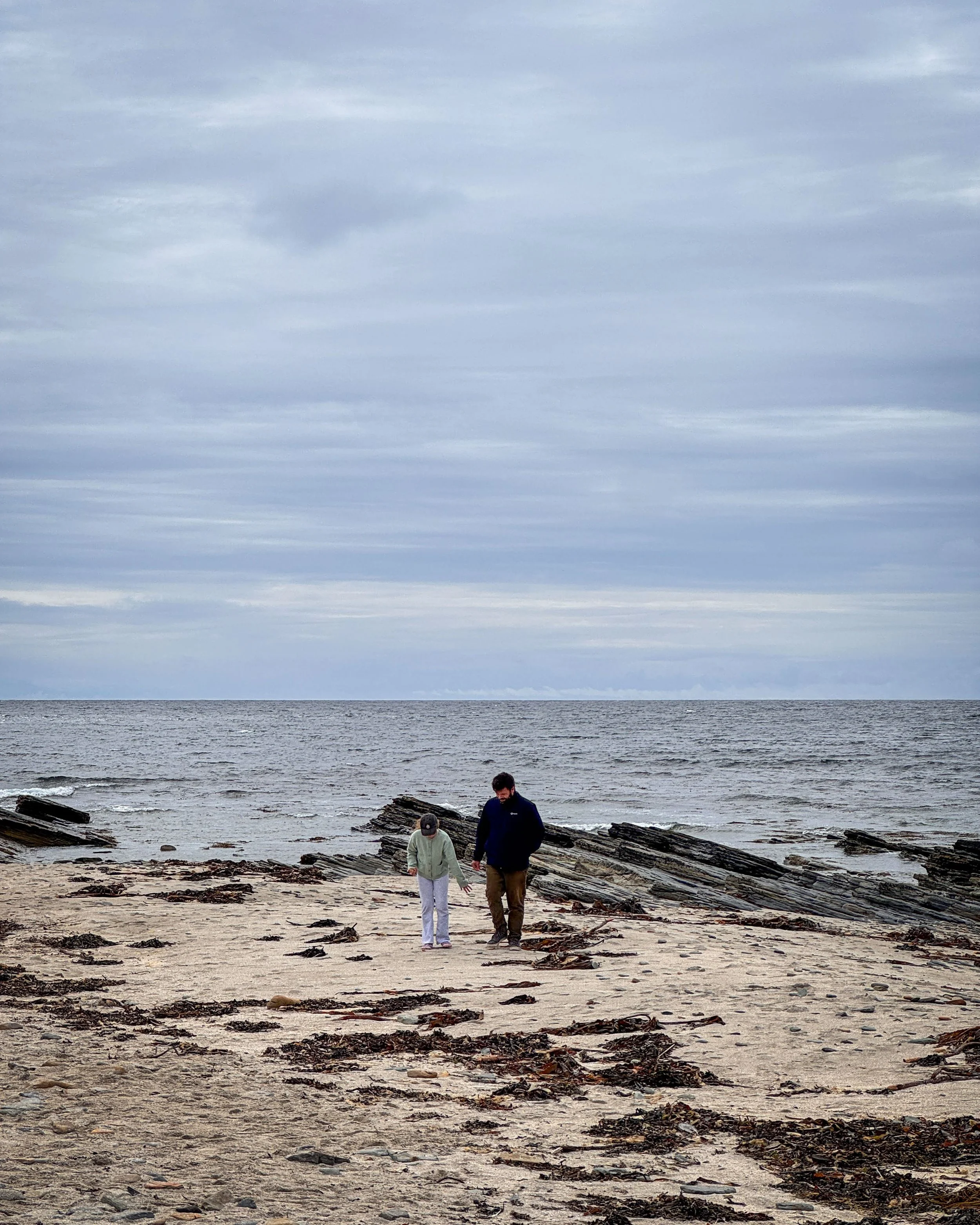
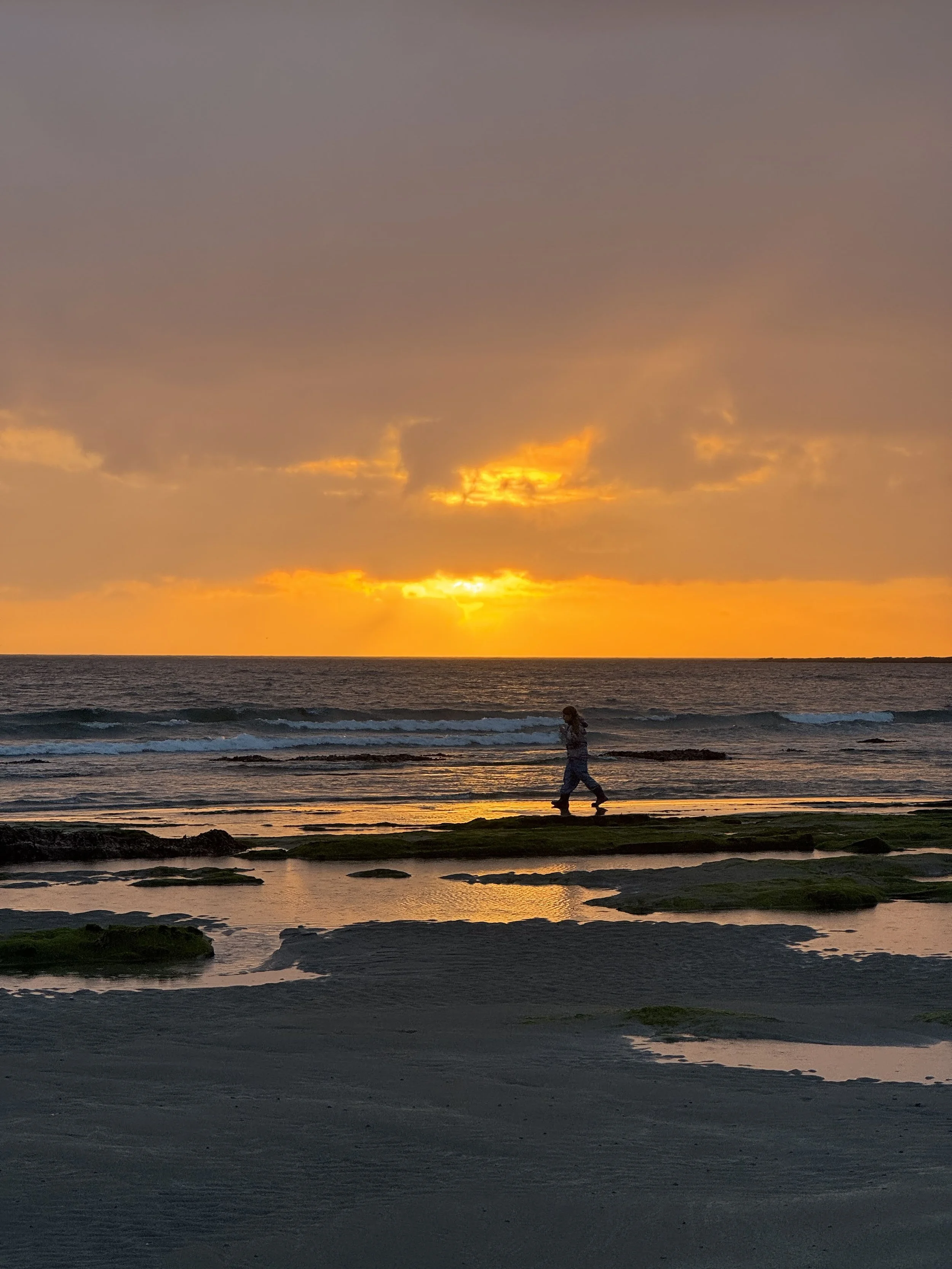
Our local beach is called Warbeth Beach. It's quickly become a place we go to without much of a plan. Sometimes we go for a walk, sometimes just to look at the sea, and sometimes we've been swimming and playing in the waves, now that we have wetsuits.
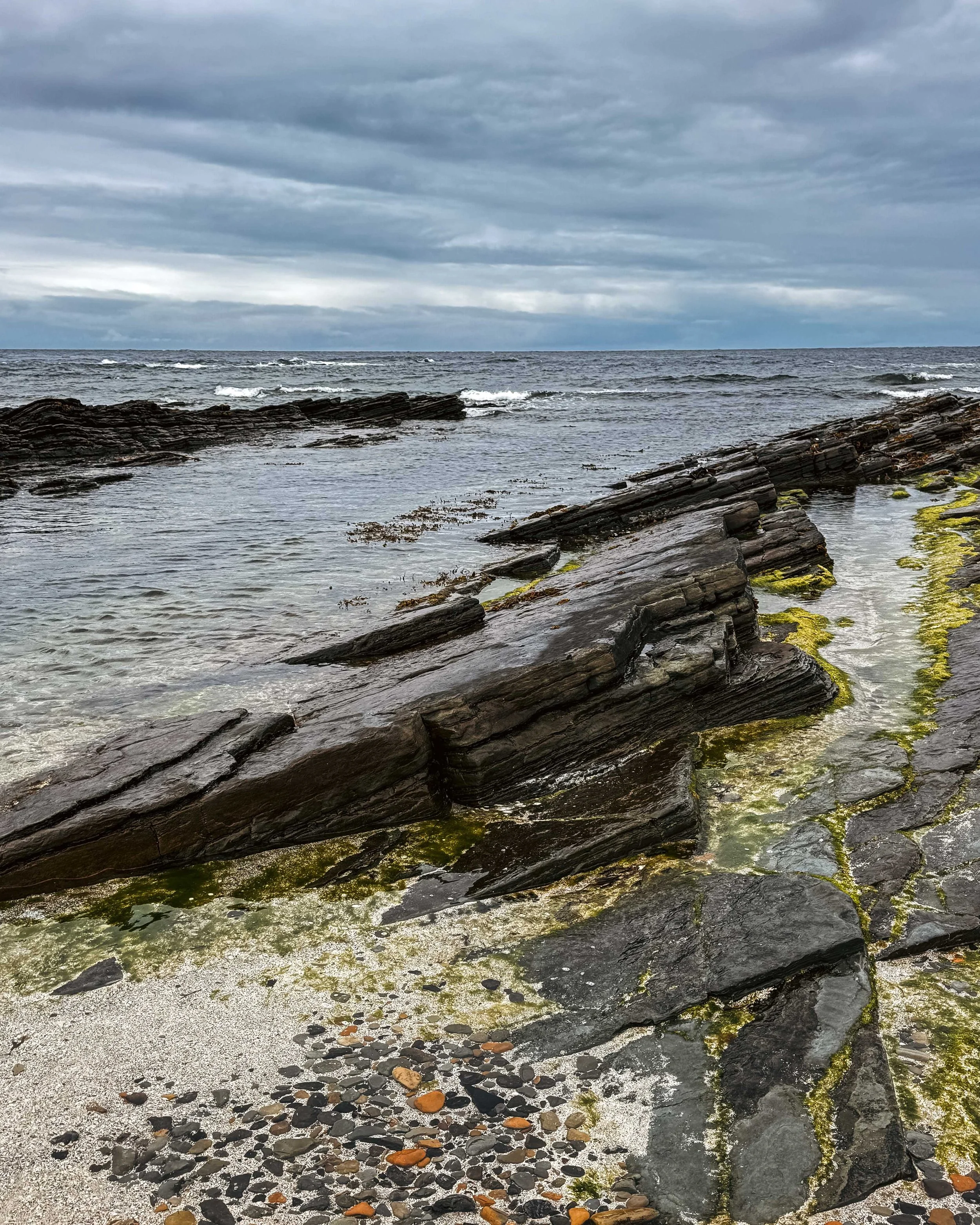
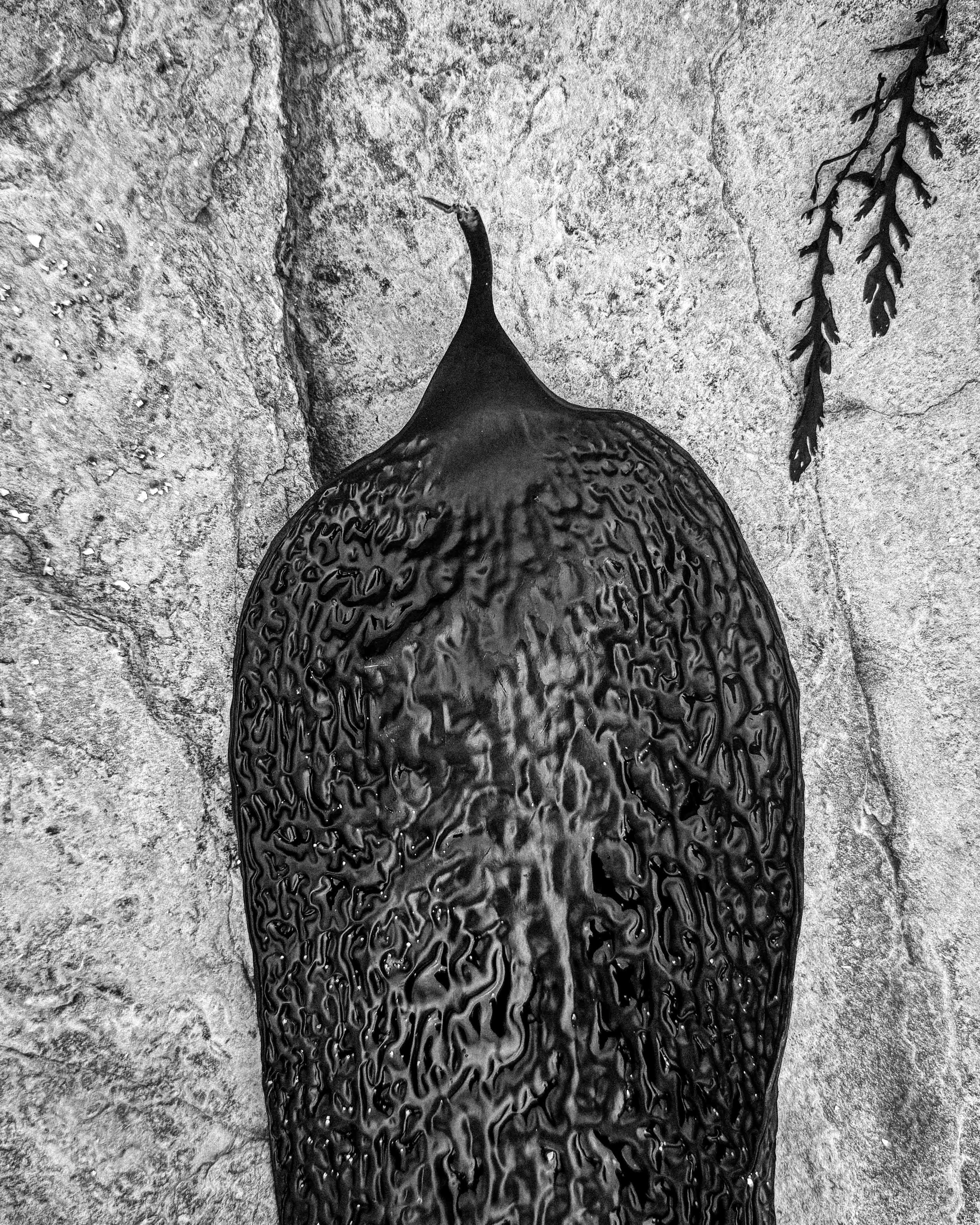
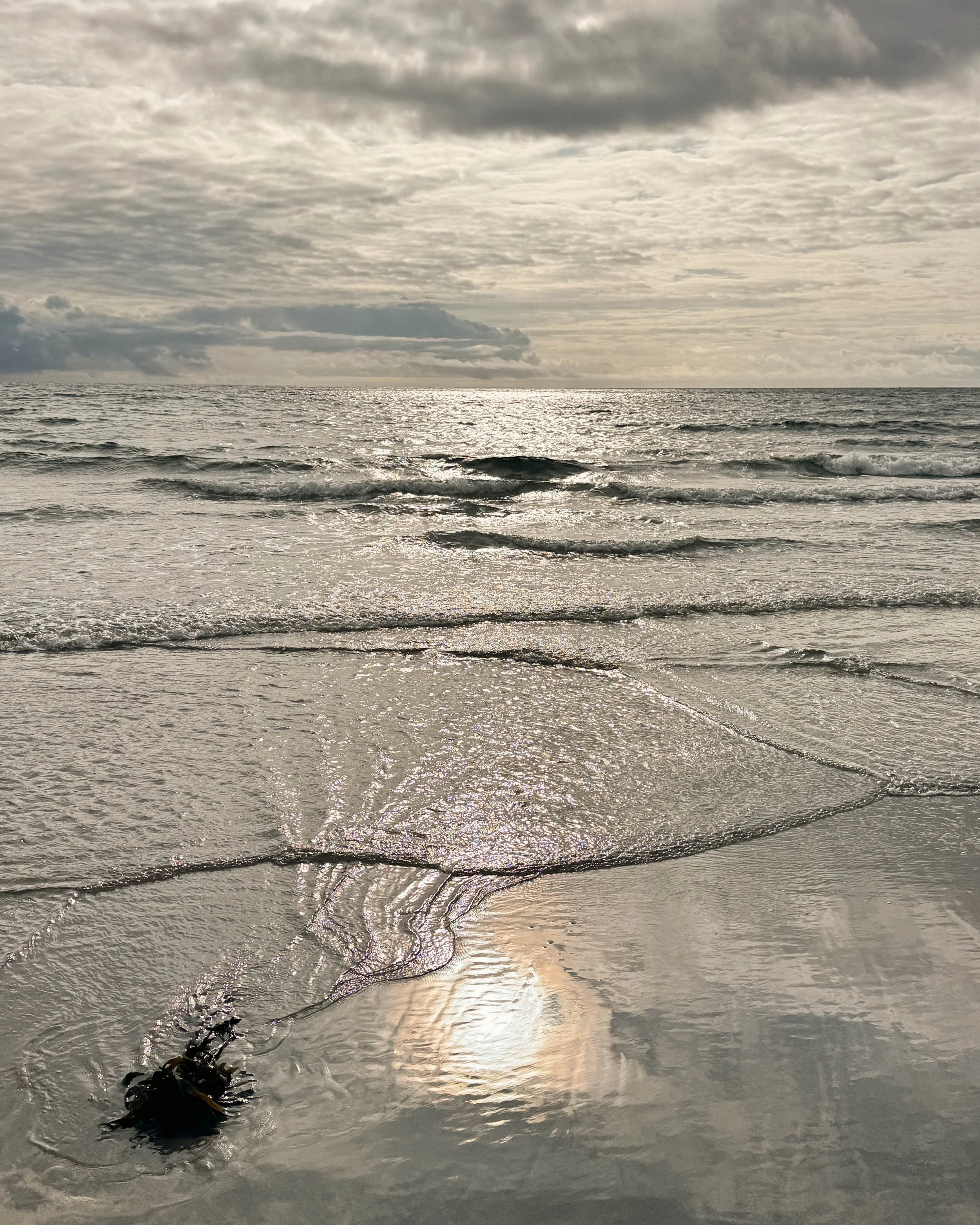
The beach looks different every day. Sometimes the sea has been grey and almost still, with Hoy's tall silhouette barely visible beyond the water. Then the wind picks up and suddenly the same spot is full of foam, flying sand, and seaweed piled into great heaps on the shore. After a storm, all sorts of things wash up — everything from boots to spectacles. Hoy, meanwhile (originally probably Höj, since it means high and the place is quite high), changes from one day to the next. Sometimes it's wrapped in cloud, sometimes it stands out sharp and colourful.
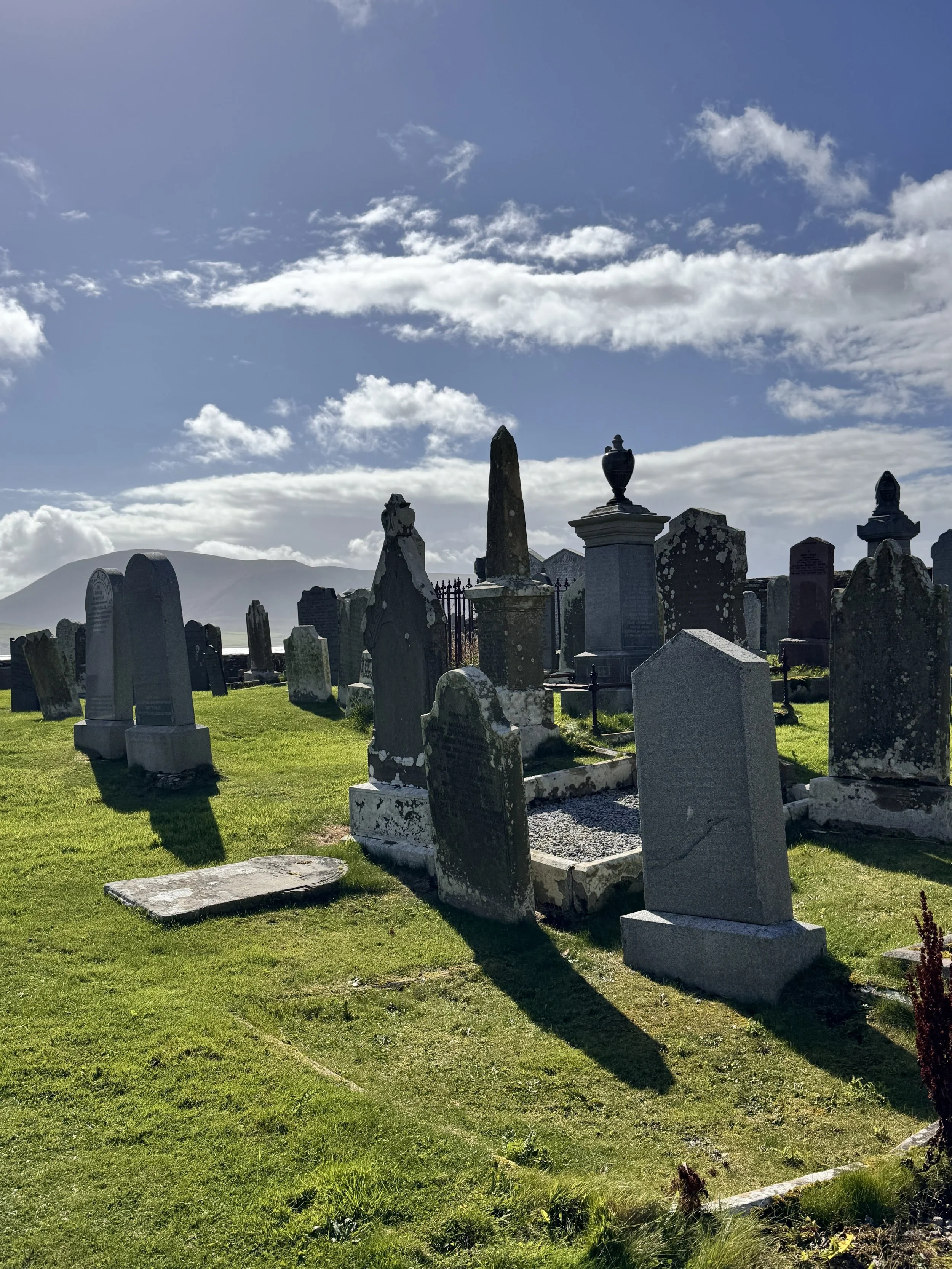
Near Warbeth there's an old cemetery, right at the sea's edge. The dead resting there have a fine spot for it, scenery-wise. Beyond the gravestones the open sea stretches out, and Hoy beyond that. The wind blows hard there and the place is at the mercy of the storms. Some of the stones are cracked with parts missing, and visitors are warned to walk at their own risk.
One of the graves belongs to George Mackay Brown (1921–1996), perhaps Orkney's best-known writer and poet. The sea was an inseparable part of his work. He was born and died in Stromness, and apart from a few years of study, lived here his whole life. He started out as a journalist at the Orkney Herald and wrote a weekly column for The Orcadian right up until his death. His first poetry collection, The Storm, appeared in 1954. His whole body of work is steeped in the spirit of the sea, Norse sagas, and Orcadian folklore, and he apparently often referred to Stromness by its Viking-age name, Hamnavoe.
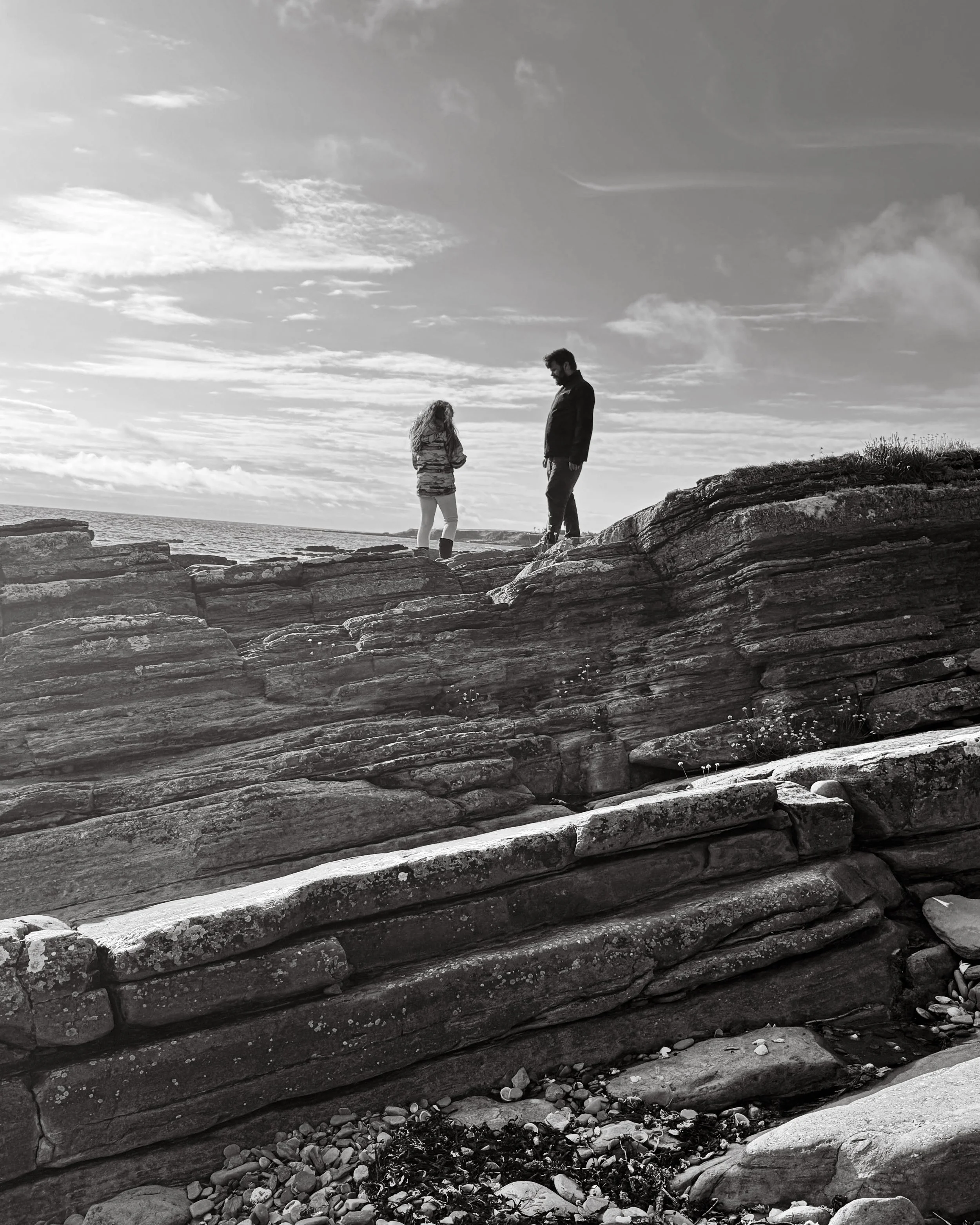
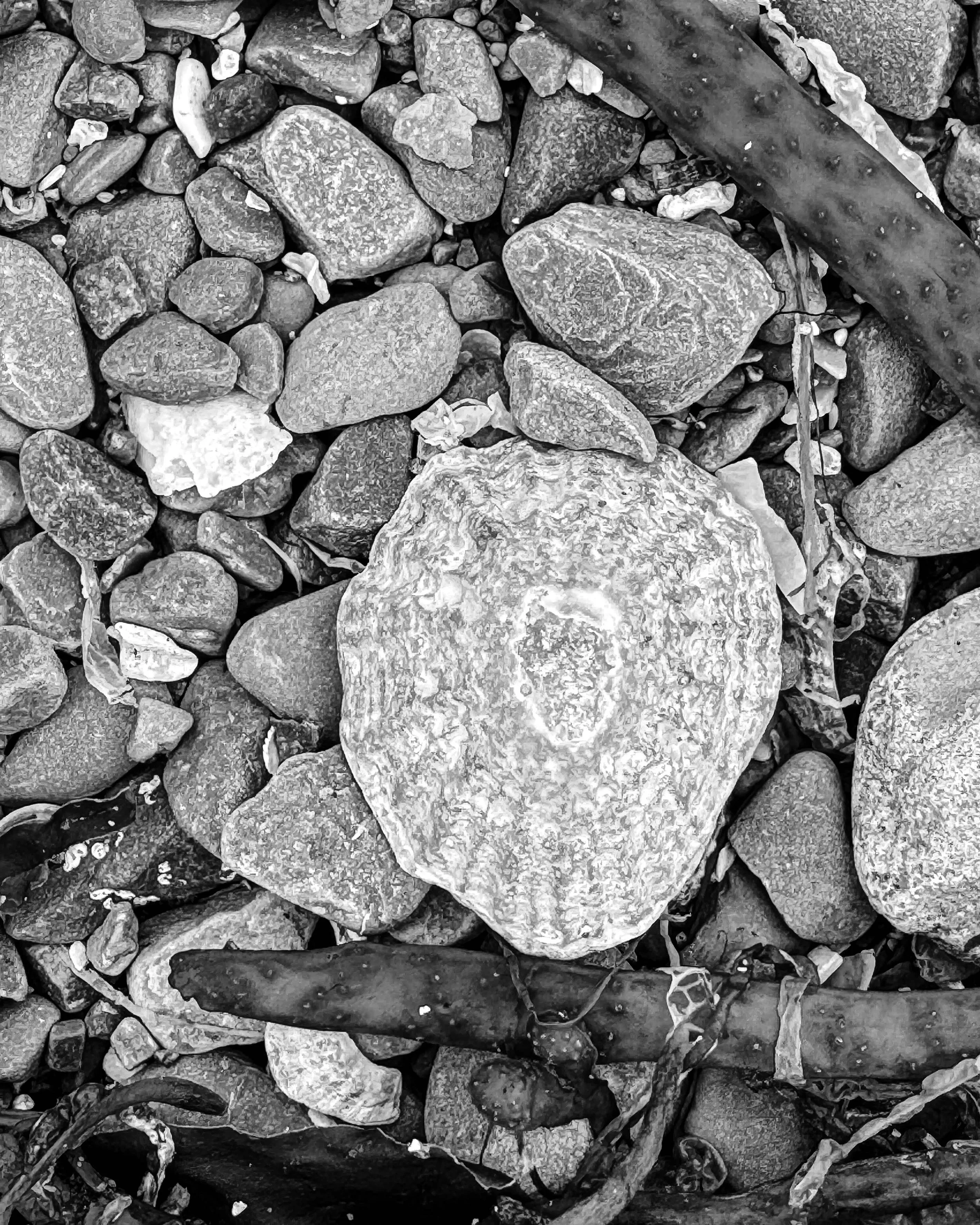
Treasure hunt on the beaches – unbeatable.
Another lovely beach we've visited is Birsay, on the north side of this main island. One day we watched seals there, floating peacefully with their noses turned to the sky among the waves, and we went looking for shells. Nearby there's also a delightful Birsay Bay Tearoom worth booking a table at in advance, since its five o'clock tea is so popular.