Scapa Flow – history and the first dives
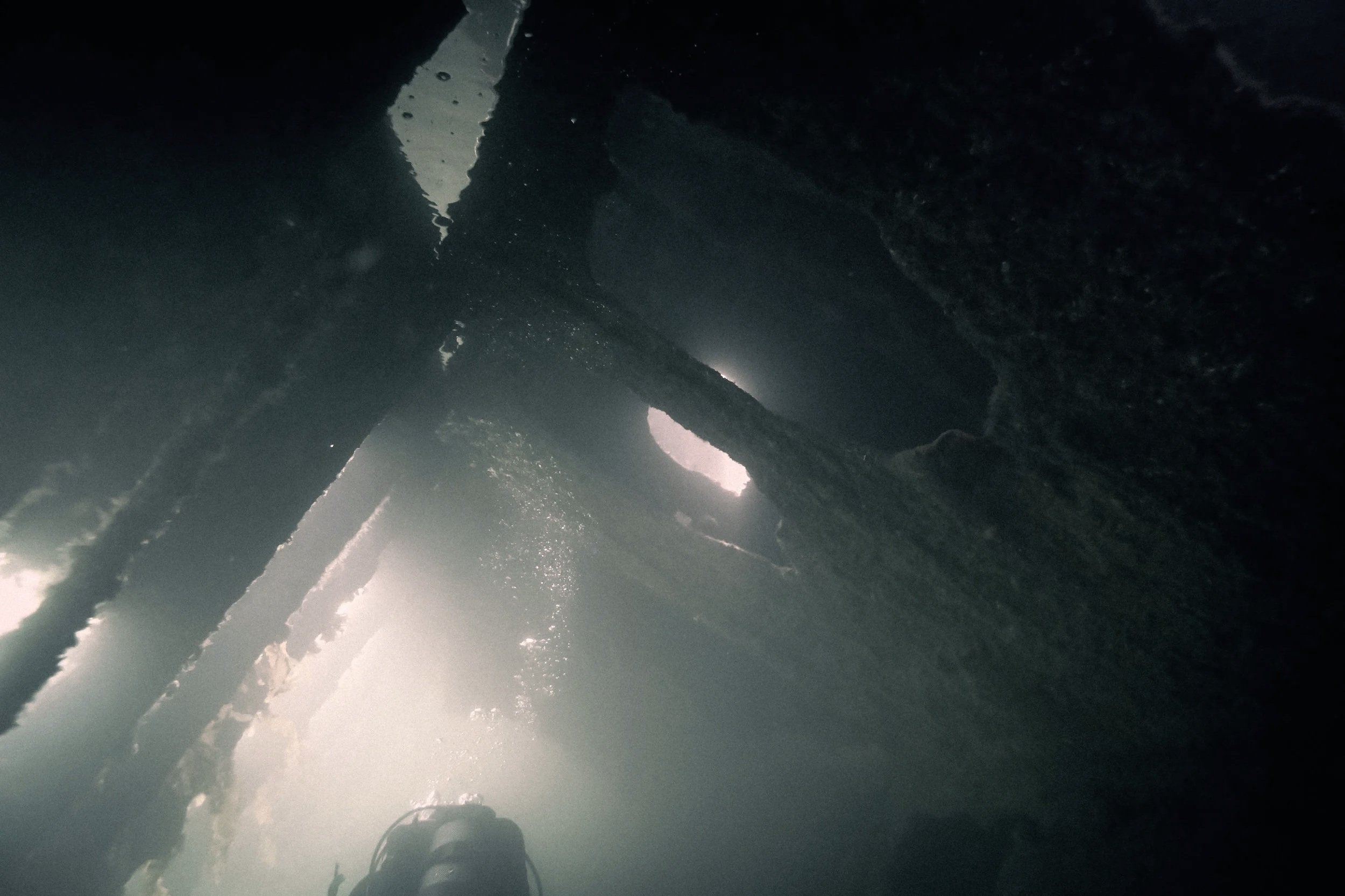
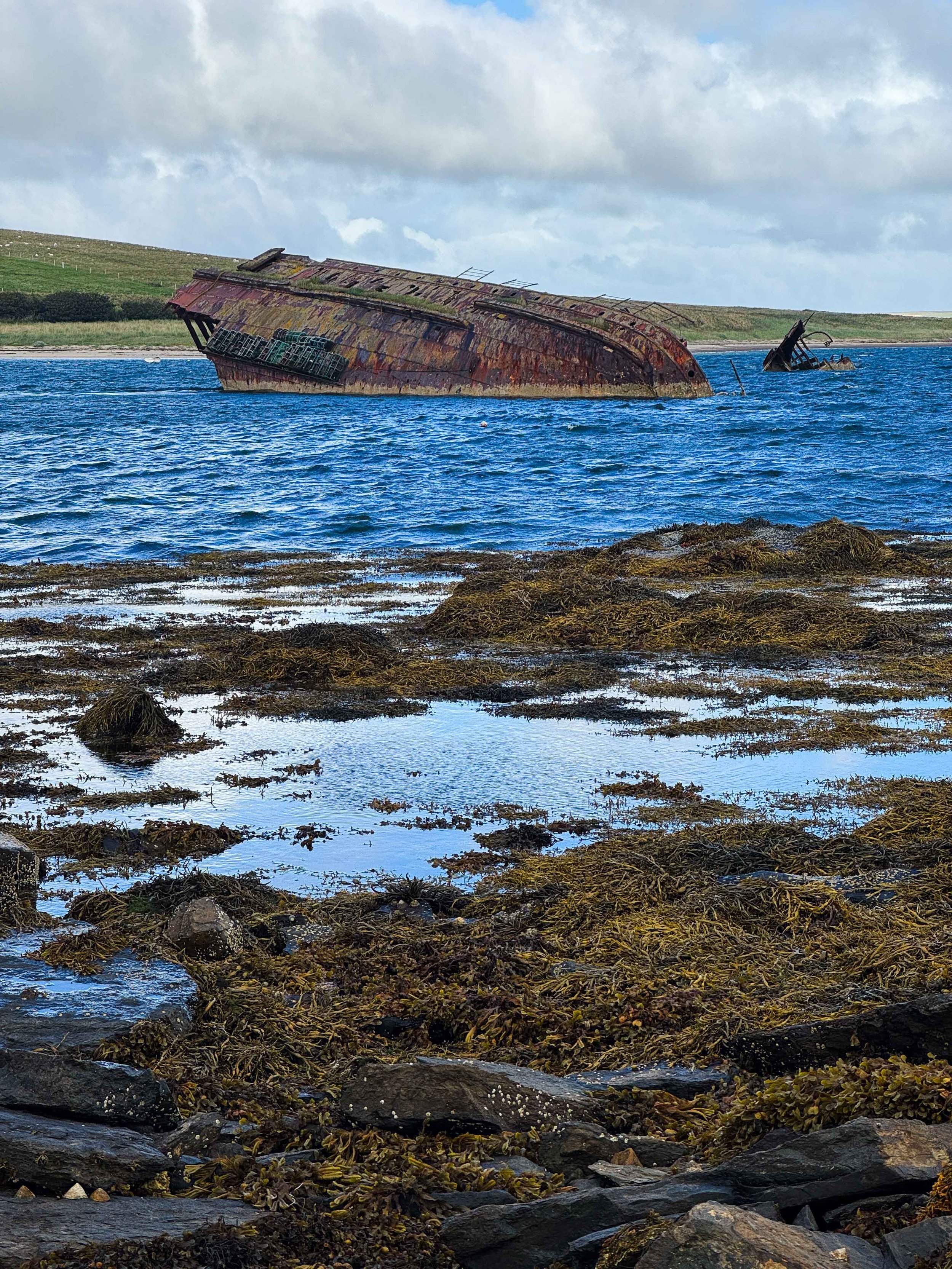
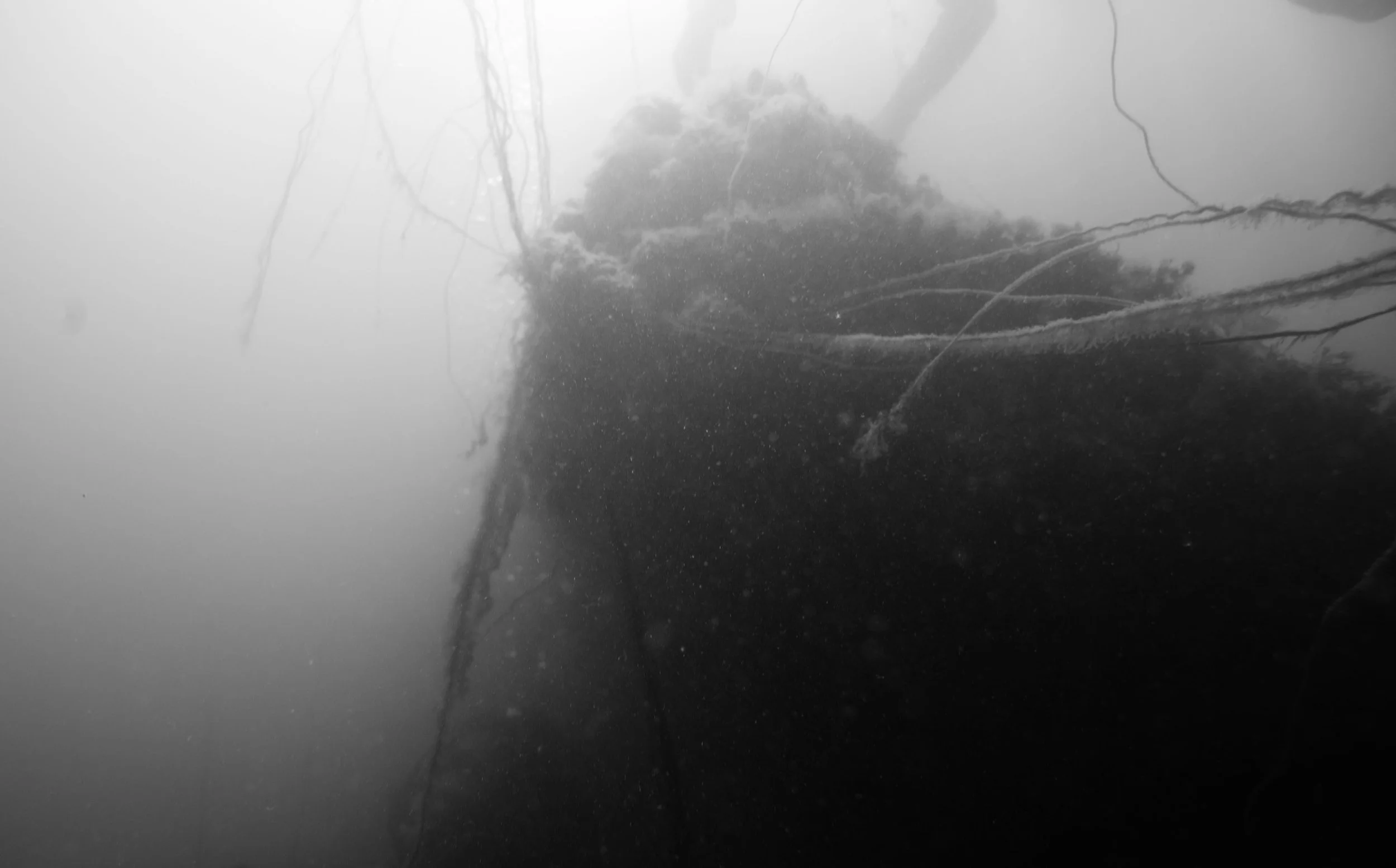
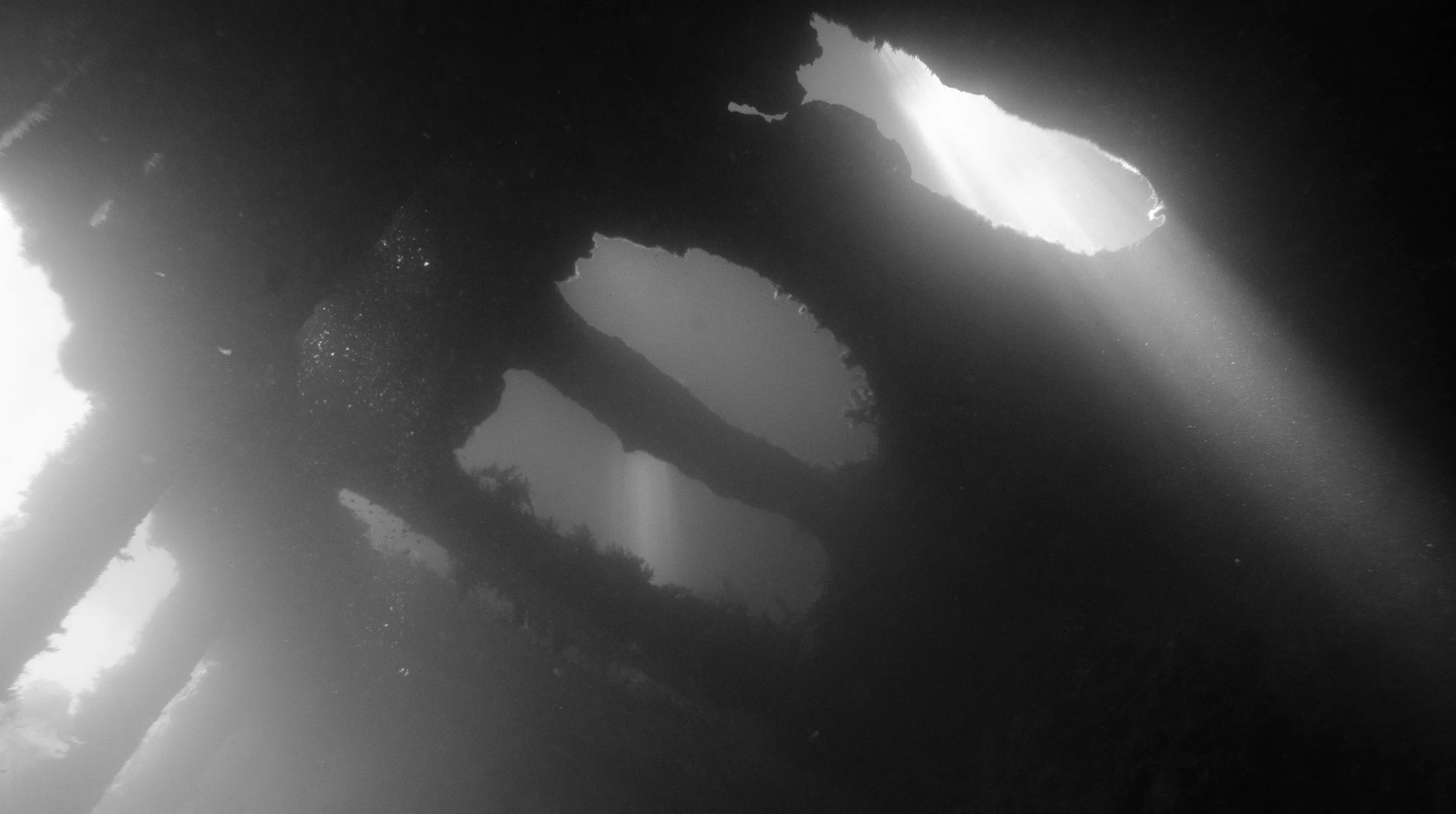
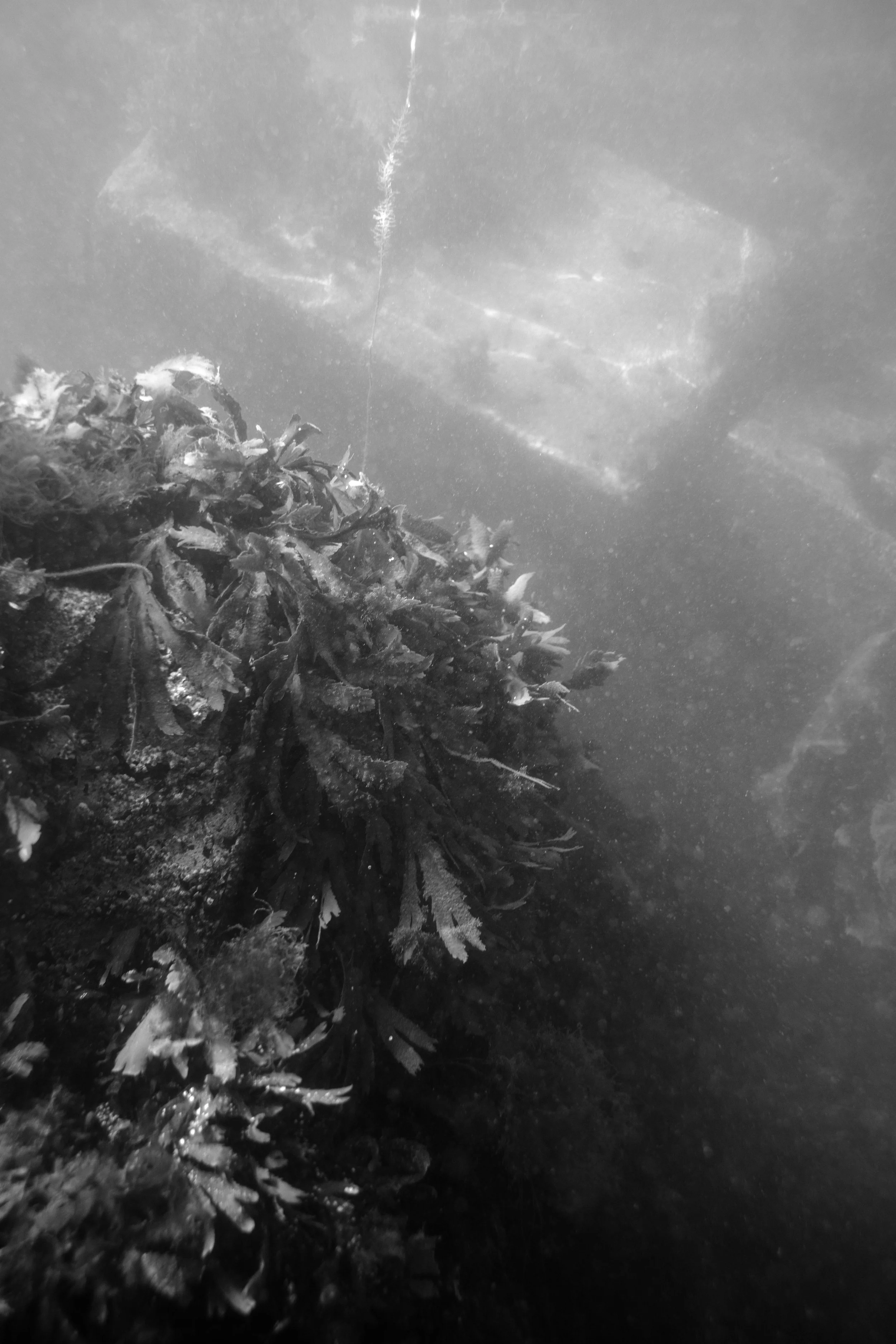
Diving in SS Reginald, blockship at the Churchill Barriers.
One of the things I absolutely had to see here was Scapa Flow. I knew about it long before I had ever heard of Orkney's fascinating archaeological past. Scapa Flow has a legendary reputation among divers, because an entire German fleet sank to its bottom in the aftermath of the First World War.
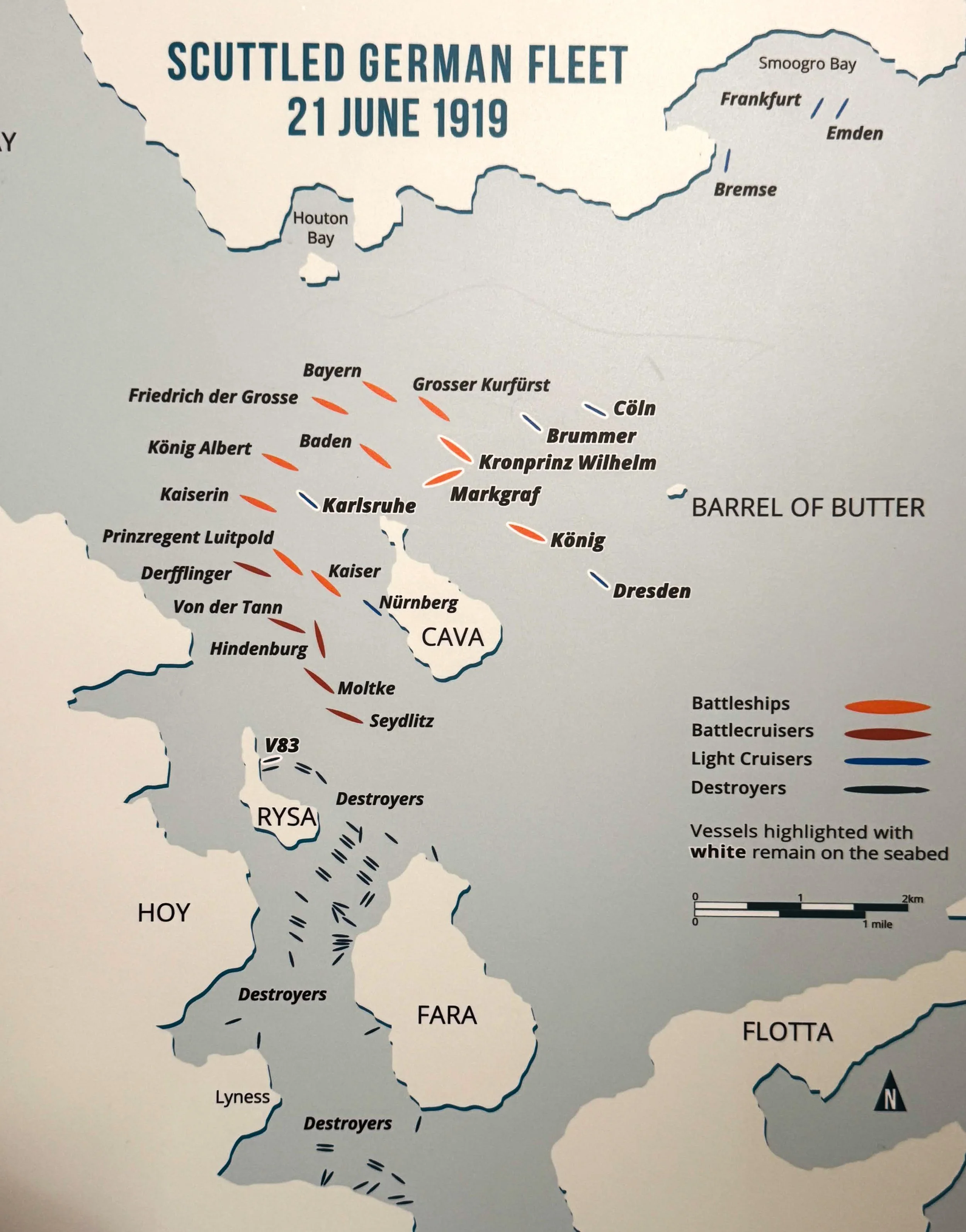
Places of the sunken German Highseas Fleet wrecks. Original map: Stromness Museum.
Here's how it happened. When the First World War armistice was signed in November 1918, a German fleet of more than 70 ships was interned under British guard in Scapa Flow. It is a sheltered bay south of Orkney's Mainland that has served as a natural harbour since ancient times. During the war the bay had been fortified so that an entire enemy fleet could be held there safely, alongside Britain's own ships. Peace negotiations were under way, and their outcome was still uncertain. The fleet's commander, Rear Admiral Ludwig von Reuter, was cut off from the outside world together with his skeleton crews. There was no radio contact, and the ships received only four-day-old newspapers so that the Germans would not get up-to-date news.
Von Reuter later explained that it was precisely this lack of information that led to his decision to scuttle the fleet. Based on the newspapers, he was convinced that the peace talks had collapsed and that hostilities would soon resume. The fleet had a standing order to scuttle its ships rather than let them fall into British hands. So the ships were secretly prepared for scuttling. Doors, hatches and torpedo tubes were locked open, and tools and keys were thrown overboard so that the sinking could no longer be stopped. Then they waited for the actual order. It came on 21 June 1919, when the British guard squadron had left the bay for exercises. Von Reuter did not know that the armistice had just been extended. The order was passed to every ship by flag signal.
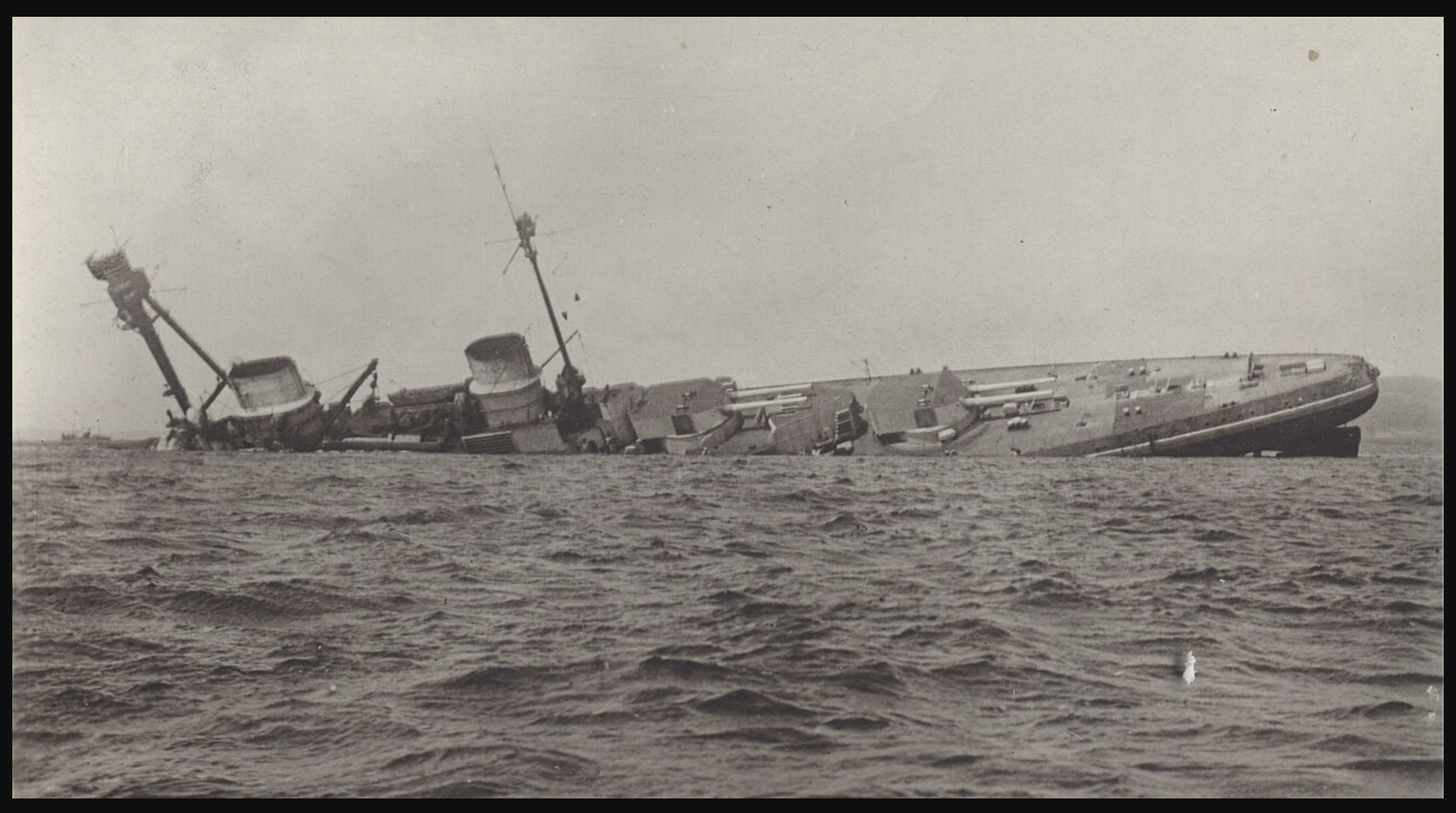
Derfflinger sinking into Scapa Flow. Photograph: Wikipedia.
When the German ships began to sink, word reached the British quickly. They raced back at full steam, but in vain. Within about five hours, 52 ships had gone down, and the British managed to tow or beach only some of the rest. In the general chaos the British opened fire, and nine Germans were killed. They are often regarded as the last casualties of the First World War.
Salvage of the ships began as early as the 1920s, and most of them were raised before the Second World War. Seven ships remained on the bottom, and metal continued to be salvaged from them. When official salvage operations ended, recreational divers began to flock to the area. Rod Macdonald first came here in 1982. He has written a wonderful book about the German fleet at Scapa Flow, Dive Scapa Flow (originally published 1990, several revised editions), which is the main source of the information above. There’s a good article also on wikipedia.
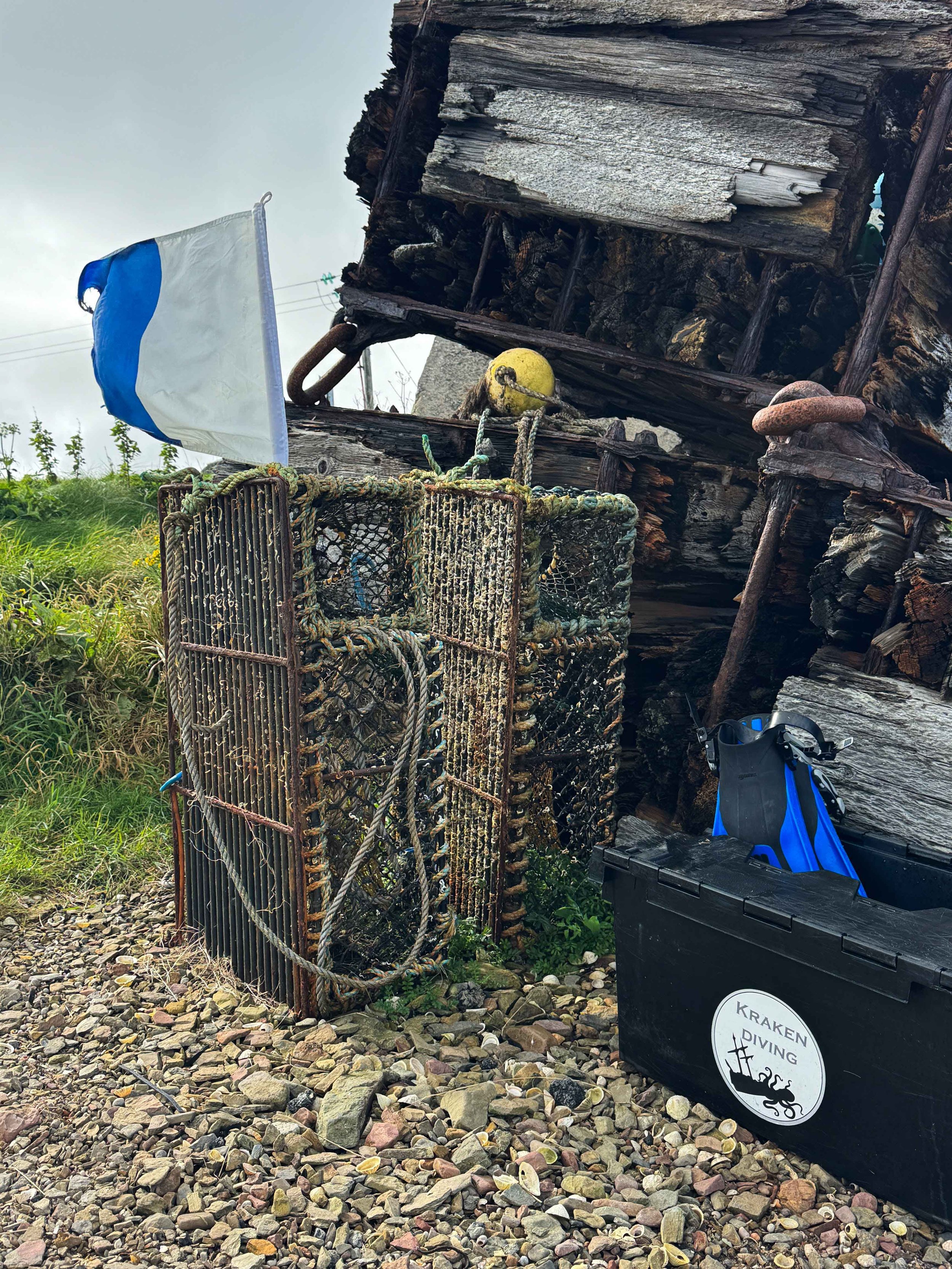
I find wrecks incredibly fascinating. Almost twenty years ago I took a wreck diving course on the amazing Zenobia wreck in Cyprus, so it was clear that in Orkney I had to get a look at the wrecks of the German fleet. It had been more than ten years since my last dives, though, so I first signed up for a drysuit course with Kraken Diving to get used to both the local conditions and diving in general.
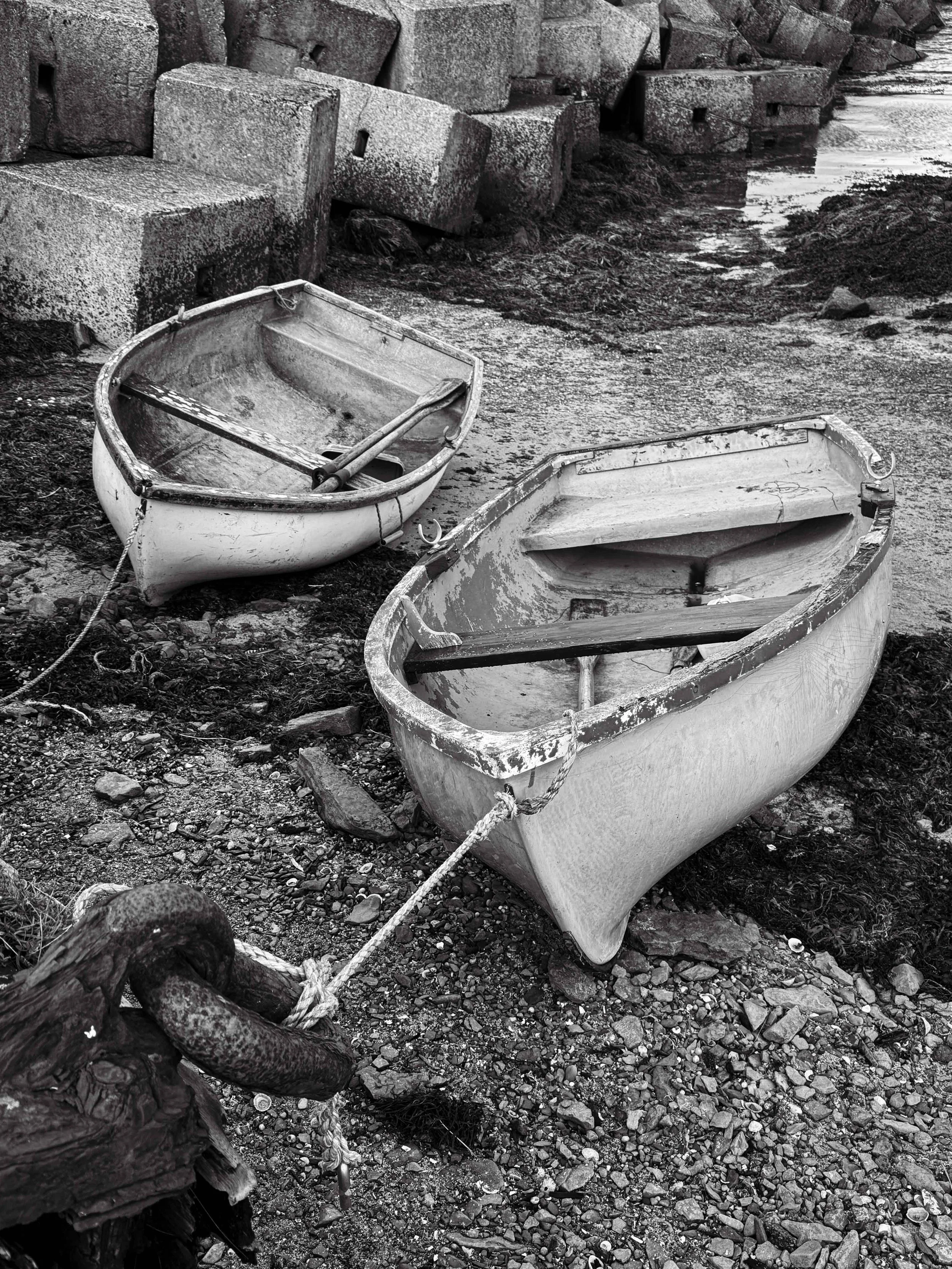
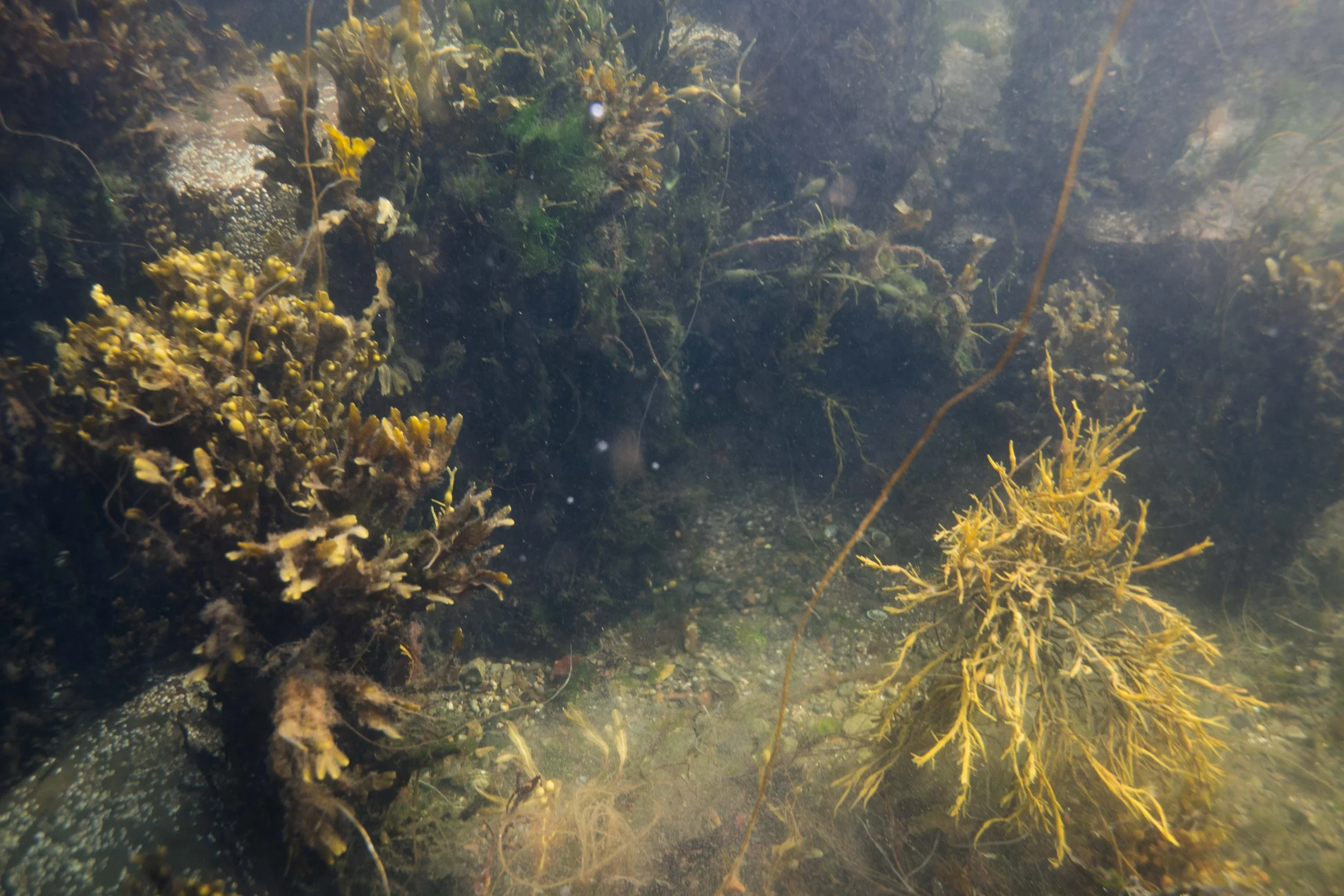
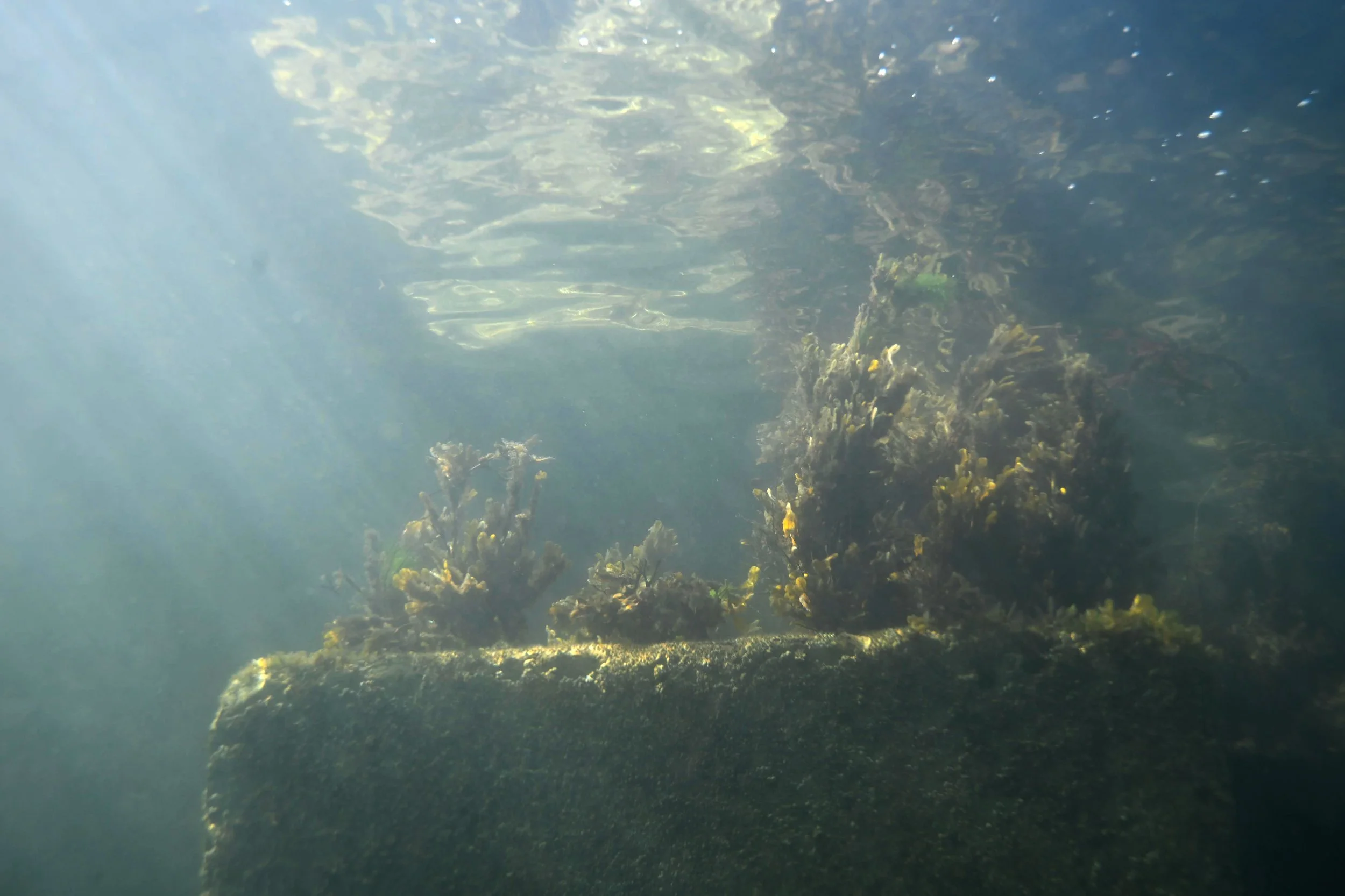
The course was held at the Churchill Barriers. These are causeways built during the Second World War to close the eastern channels into Scapa Flow. Several blockships sunk to seal the channels lie near them, including the Reginald. After some initial uncertainty, my buoyancy control was going quite well by the third dive. The Reginald is an easy wreck. It lies only four to five metres deep right next to the causeway, partly above the surface. Inside there is a fun swim-through section, with a couple of openings into the wreck and several window openings out. Besides the Reginald, there was plenty more to see in the sheltered bay: fish, large jellyfish, big edible crabs and even a flatfish hiding on the bottom.
On the last dive of the course, once the compulsory skills were done, I finally got to try out my new Ikelite housing. I didn't bring the Nikonos along this time, but its turn will come later, once I'm comfortable using the Nikon Z5 and shooting video underwater. Next up are the wrecks of the German fleet themselves.